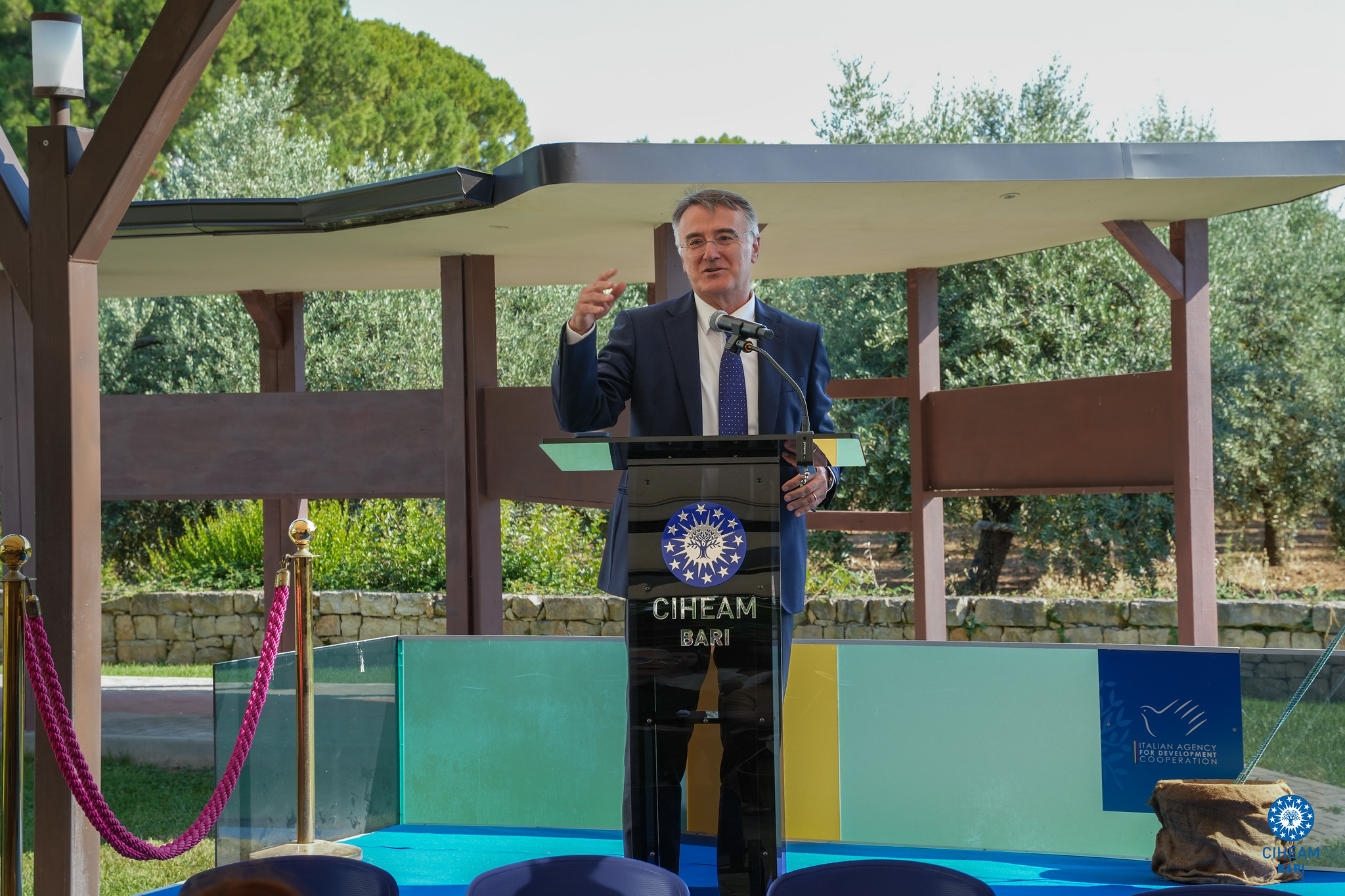
Ricerca, salute delle piante e sostenibilità saranno al centro delle attività che il CIHEAM Bari proporrà venerdì 25 settembre in Piazza Umberto I, nell’ambito della Notte Europea delle Ricercatrici e dei Ricercatori 2026.
Portare la ricerca fuori dai laboratori e avvicinarla ai cittadini, mostrando il suo impatto concreto sulla vita delle comunità. È con questo obiettivo che il CIHEAM Bari partecipa alla Notte Europea delle Ricercatrici e dei Ricercatori 2026, insieme alla rete territoriale di enti di ricerca e istituzioni coinvolti nell’iniziativa. Le ricercatrici e i ricercatori del CIHEAM Bari saranno presenti in Piazza Umberto I, a Bari, dalle 9:00 alle 14:00 e dalle 16:00 alle 22:00, proponendo attività pratiche e interattive dedicate alla salute delle piante.
Al centro dell’esperienza ci sarà il lavoro sviluppato nell’ambito di Horizon PlantHealth4All, progetto che affronta la salute delle piante mettendola in relazione con temi fondamentali quali la sicurezza alimentare, la qualità dell’ambiente e, più in generale, la salute del pianeta.
«La Notte Europea delle Ricercatrici e dei Ricercatori 2026 è per il CIHEAM Bari un’importante occasione per portare la ricerca fuori dai laboratori e avvicinarla ai cittadini, soprattutto ai giovani», sottolinea Biagio Di Terlizzi, direttore del CIHEAM Bari. «Attraverso attività pratiche presenteremo il lavoro di Horizon PlantHealth4All e il legame tra salute delle piante, sicurezza alimentare e tutela dell’ambiente».
La partecipazione all’iniziativa riflette anche il modello di ricerca promosso dal CIHEAM Bari, nel quale attività scientifica e cooperazione sono strettamente connesse. «La ricerca del CIHEAM Bari nasce dall’ascolto dei bisogni dei territori e delle comunità e si mette al servizio della cooperazione per sostenere lo sviluppo locale e contribuire al miglioramento delle condizioni economiche e sociali», aggiunge Di Terlizzi. Un impegno portato avanti insieme a istituzioni scientifiche e partner di numerosi Paesi del Mediterraneo, dell’Africa e della cooperazione italiana, per affrontare sfide comuni che spaziano dalla gestione delle risorse naturali ai cambiamenti climatici.
Con lo slogan “La notte che illumina la conoscenza”, l’edizione 2026 della Notte Europea delle Ricercatrici e dei Ricercatori animerà Bari con 80 stand, laboratori, esperimenti, dimostrazioni e incontri dedicati alla ricerca scientifica e umanistica, coinvolgendo diversi luoghi della città.
CIHEAM Bari is organizing the 4th edition of the Advanced Specialized Course in "Precision Agriculture for the Mediterranean Region," aimed at training professionals from ministries and producer associations in Mediterranean and African countries with basic knowledge of Information Technology.
An opening workshop will also be held online, as part of the first unit of the course (14-18 September 2026), to broaden participation beyond the selected course attendees.
The workshop will feature a series of seminars by experts from academia, research institutes, and business associations, covering the following topics: general concepts of precision agriculture with a multiscale and multisectoral approach, opportunities and constraints, key technologies, CIHEAM innovations, adaptation to the Southern Mediterranean context, and the role of technology providers and service companies.
Those interested in the opening workshop can register via the following link, specifying the days they wish to attend.
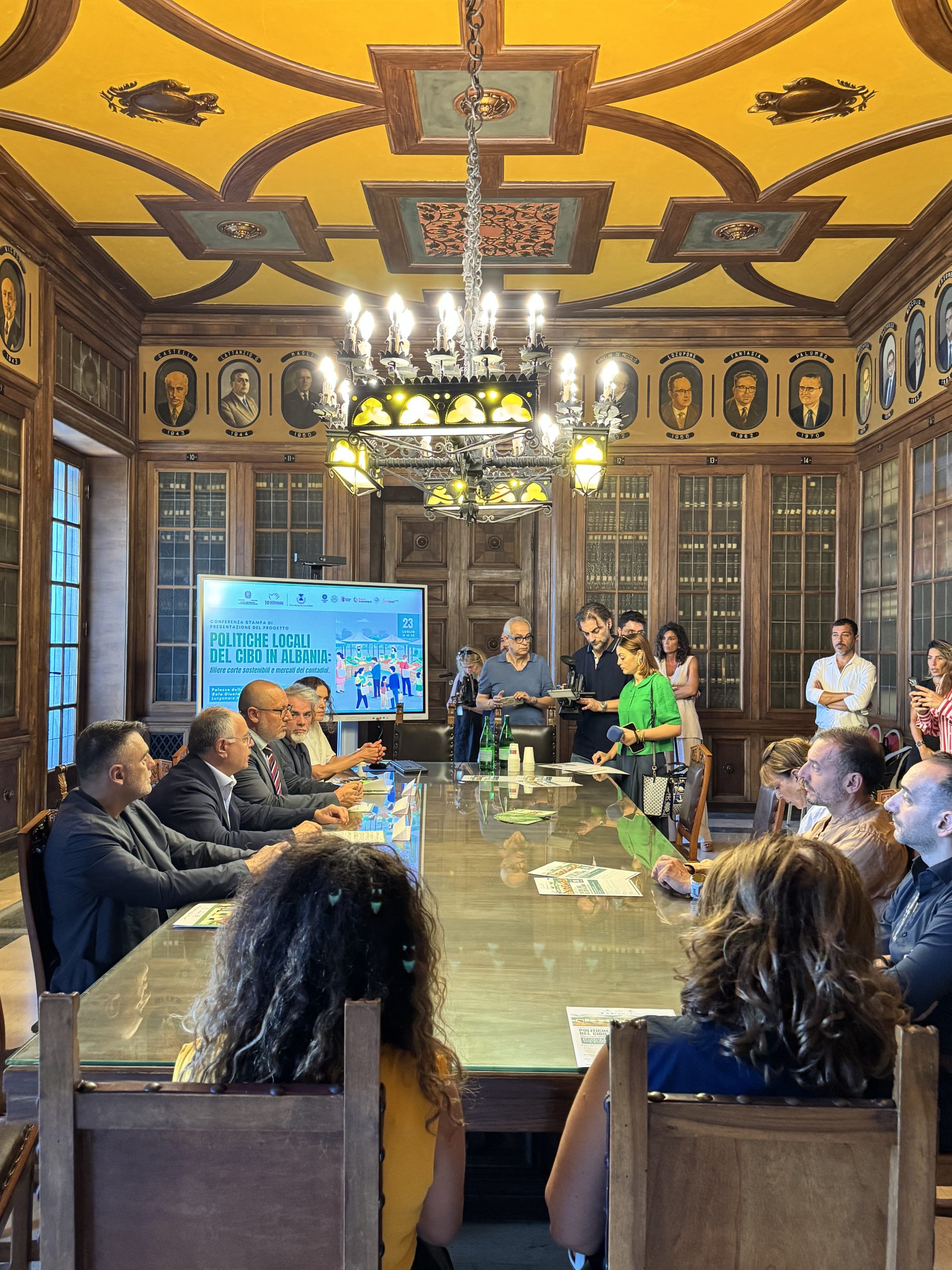
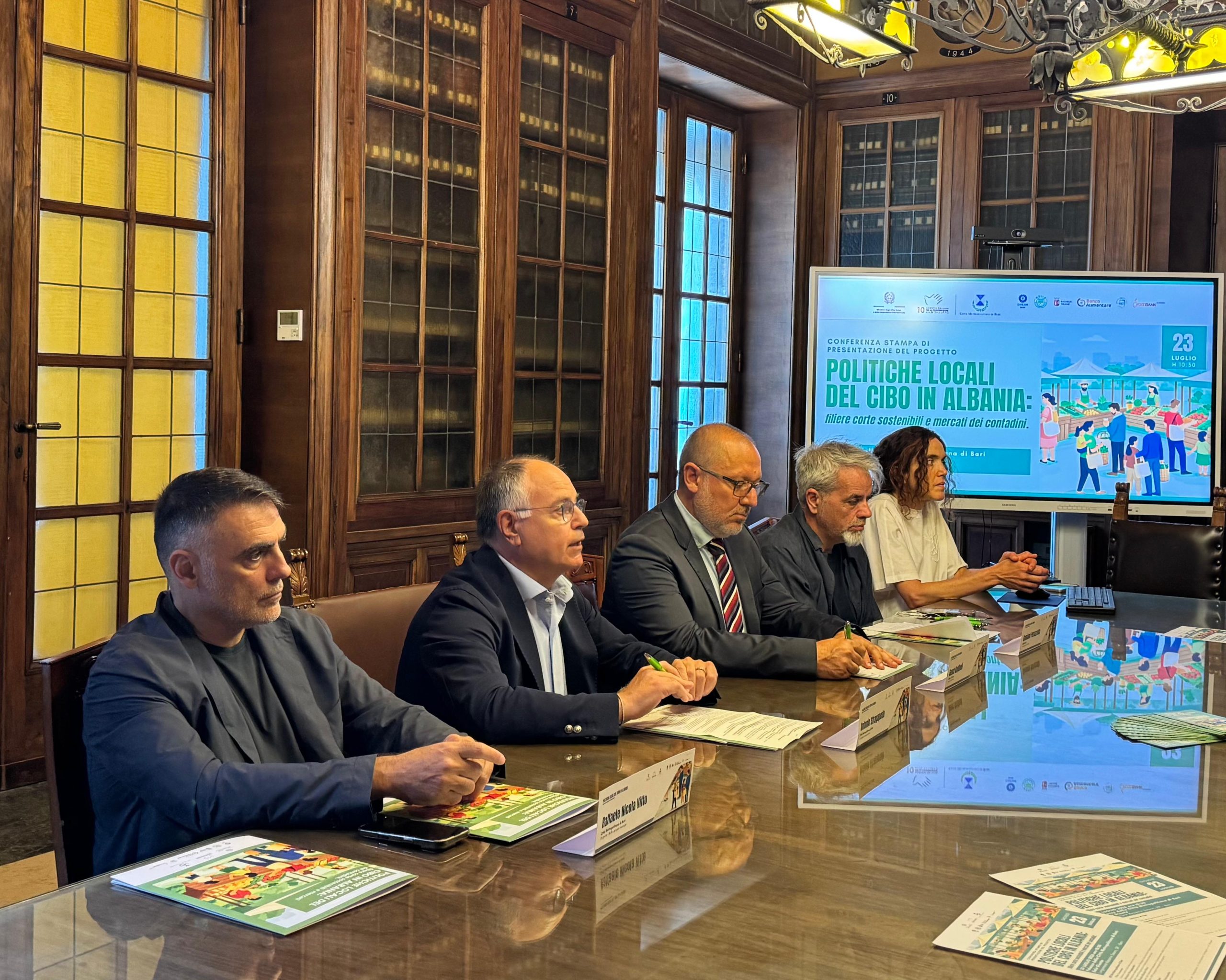
È stato presentato, nella Sala Giunta del Palazzo della Città Metropolitana di Bari, il progetto “Politiche locali del cibo in Albania: filiere corte sostenibili e mercati dei contadini”, finanziato dalla Cooperazione Italiana con un importo complessivo di circa 1,63 milioni di euro.
L’iniziativa, della durata di 36 mesi, è guidata dalla Città Metropolitana di Bari e vede la partecipazione di CIHEAM Bari, World Farmers Markets Coalition, Fondazione Banco Alimentare, Comune di Tirana, Agenzia dei Mercati di Tirana e Food Bank Albania.
Il progetto punta a promuovere un sistema alimentare locale più sostenibile, inclusivo e resiliente, attraverso la creazione di un Mercato dei Contadini, il rafforzamento delle filiere corte e la realizzazione di un Food Waste Hub destinato al recupero e alla redistribuzione delle eccedenze alimentari.
Tra i principali risultati attesi figurano il coinvolgimento di 100 produttori, la creazione o il consolidamento di cinque cooperative, la realizzazione di un mercato e di un hub logistico, la formazione di dieci funzionari pubblici e il sostegno ad almeno mille cittadini in condizioni di vulnerabilità.
Alla presentazione sono intervenuti Vito Leccese, Sindaco metropolitano di Bari; Antonio Stragapede, Consigliere metropolitano delegato alle Attività produttive, alla promozione delle produzioni locali, all’identità agricola e alla transizione alimentare; Raffaele Nicola Vitto, dirigente della Città Metropolitana di Bari e project manager dell’iniziativa; Damiano Petruzzella, Direttore scientifico del CIHEAM Bari; e Genci Kojdheli, Direttore generale del Comune di Tirana.
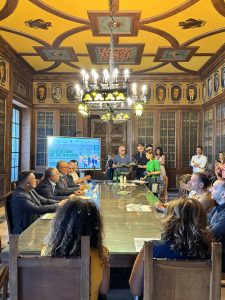
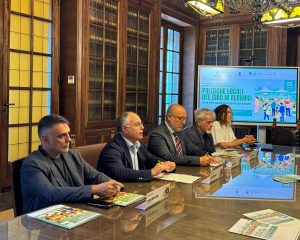
«Le politiche locali del cibo sono uno strumento concreto per costruire sistemi alimentari più sostenibili, resilienti e vicini ai territori», ha dichiarato Damiano Petruzzella. «L’esperienza maturata dal CIHEAM Bari a Tirana e in numerose città del Mediterraneo e dell’Africa, grazie al sostegno del MAECI e alla collaborazione con la World Farmers Markets Coalition, dimostra che investire sui mercati contadini e privilegiare la filiera corta significa rafforzare il futuro dei territori».
Negli ultimi anni il CIHEAM Bari, attraverso progetti nazionali ed europei, ha contribuito alla definizione delle Politiche locali del cibo della Città Metropolitana di Bari e delle città di Taranto, Tirana, Roma Capitale e Roma Metropolitana. Questo patrimonio di conoscenze ed esperienze sarà ora messo a disposizione del nuovo partenariato, contribuendo alla costruzione di una collaborazione sempre più ampia tra le città del Mediterraneo.
Il progetto rafforza così il legame tra Bari e Tirana, trasformando la cooperazione territoriale in azioni concrete a favore dei produttori locali, delle comunità vulnerabili e della sostenibilità dei sistemi alimentari.
Agriculture is one of the sectors most affected by climate change, and at the same time an open frontier for innovation in new sustainable practices and in reducing greenhouse gas emissions. This will be the topic of discussion on Tuesday 21 July in Ravenna, together with Member of the European Parliament Stefano Bonaccini, on the occasion of the closing event of GECO 2.2, a project funded by the Interreg Italy-Croatia Programme that promotes the creation of a regional voluntary carbon market dedicated to the agricultural sector. The goal is to develop innovative techniques to increase carbon sequestration in soil and biomass and to foster the development of a market model that can be replicated at European level.
"La terra che rigenera la terra" ("The land that regenerates the land"), the title of the initiative, will take place at the Antichi Chiostri Francescani starting at 9 a.m. Following the opening remarks by the Mayor of Ravenna, Alessandro Barattoni, and by the President of Legacoop Nazionale, Simone Gamberini, the proceedings will open with a presentation by the scientific coordinator of GECO 2.2, Antonio Cinti. The certification scheme model and the operational tools will be presented by Ivana Dević, Deputy Director of the Zadar County Rural Development Agency, and by Vincenzo Verrastro, agronomist and Scientific Administrator at CIHEAM Bari. At 10.10 a.m., Stefano Bonaccini, Member of the European Parliament and member of the Committee on Agriculture and Rural Development, will speak. This will be followed by a round table moderated by the President of Promosagri, Stefano Patrizi, with the participation of Giampaolo Sarno (Head of the Sustainable Agriculture Area of the Emilia-Romagna Region), Pierpaolo Pallara (Senior Researcher at CREA) and Vitantonio Priore (Puglia Region). The discussion will focus on the new Common Agricultural Policy and the European legislative framework on the market for so-called "carbon farming" – that is, the set of agricultural and forestry practices designed to increase the capacity of soil to absorb CO2 or to reduce greenhouse gas emissions. After the break, there will be a session with the project partners on the benefits observed and on future developments of the shared certification schemes, moderated by technical expert Leonardo Marotta. The morning will conclude with Helena Brčić, Project Manager of the Interreg VI-A Italy-Croatia 2021-2027 Joint Secretariat.
Funded by the Interreg Italy-Croatia programme, GECO 2.2 builds on the path that established the first experimental voluntary market for carbon credits in agriculture. In practice, this is a system in which companies, organisations and individuals voluntarily purchase carbon credits to offset their own greenhouse gas emissions. The underlying idea is that practices linked to sustainable agriculture and soil carbon conservation can be given value: those who invest in sustainability can support farmers who actively protect soil health, biodiversity and the climate through responsible land management. To make this possible, the project is developing a system that ensures transparent carbon credit registries, digital monitoring and verification tools, carbon accounting systems and certification approaches aligned with EU regulatory standards. The project ran for two years between Italy and Croatia, involving the following partners: CIHEAM Bari (International Centre for Advanced Mediterranean Agronomic Studies) - associated partner Puglia Region -, Legacoop Romagna – associated partner Emilia-Romagna Region –, Coldiretti Molise, Legacoop Marche, the Zadar County Rural Development Agency – associated partner the Croatian Ministry of Agriculture –, the Dubrovnik-Neretva Region, and OGAM (Mastrinka Olive Growers' Association).
More information about the GECO 2.2 Project is available here.
Si è concluso al CIHEAM Bari il Corso di Alta Specializzazione “Nutrizione e Salute nei Paesi africani e mediterranei”, organizzato con il sostegno del Ministero degli Affari Esteri e della Cooperazione Internazionale.
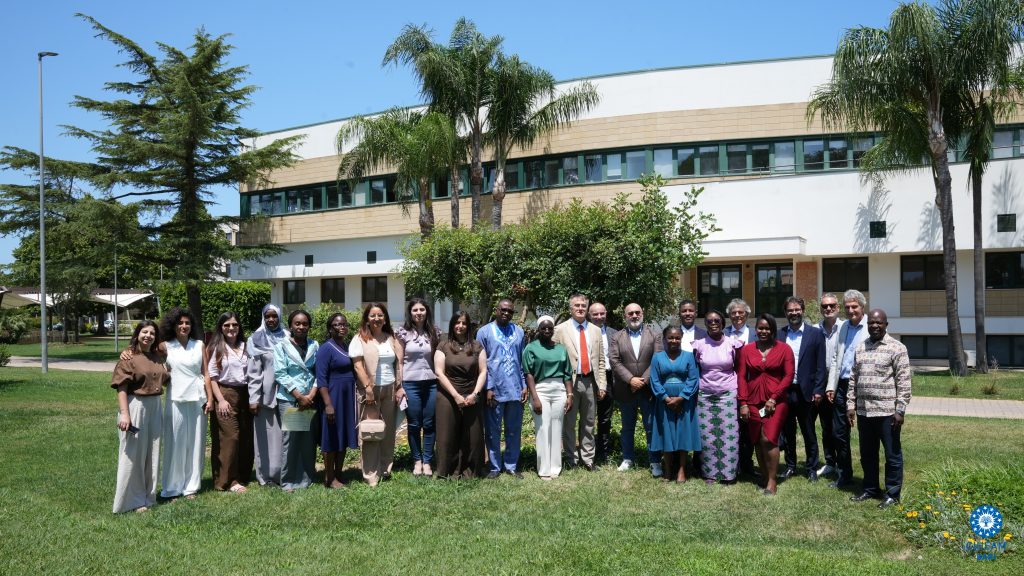
Per dieci settimane, il percorso formativo ha coinvolto 14 alti funzionari governativi provenienti da Albania, Burkina Faso, Congo Brazzaville, Ghana, Libano, Mozambico, Siria, Sudan, Tanzania e Tunisia, in rappresentanza dei ministeri dell’Agricoltura, della Pesca, dell’Ambiente, della Produzione e delle Risorse economiche. Particolarmente significativa la presenza femminile: 12 dei 14 partecipanti erano donne.
Il corso ha affrontato alcune delle principali sfide che interessano i sistemi agroalimentari contemporanei: malnutrizione, obesità, cambiamento climatico, sicurezza alimentare e accesso a diete sane. Le attività formative, articolate in lezioni, casi studio, incontri con esperti internazionali e progettazione di interventi territoriali, hanno promosso un approccio integrato, capace di mettere in relazione agricoltura, nutrizione, salute, ricerca scientifica e sviluppo locale.
I partecipanti hanno inoltre elaborato progetti destinati ai rispettivi Paesi, dedicati alla valorizzazione delle produzioni locali, delle piante officinali e delle indicazioni geografiche, alla promozione di diete più sane e al rafforzamento della sicurezza alimentare.
La tavola rotonda conclusiva ha riunito rappresentanti del mondo della ricerca, delle imprese, delle amministrazioni pubbliche e delle organizzazioni internazionali, concentrando il confronto su una questione centrale: trasformare i risultati della ricerca in politiche pubbliche e opportunità concrete per i territori.
Le esperienze presentate, dagli studi sul metaboloma degli alimenti alle sperimentazioni sul Tritordeum, dalla valorizzazione di colture tradizionali come teff e fonio ai progetti di economia circolare nella filiera del caffè, hanno mostrato come l’innovazione produca risultati quando nasce dalla collaborazione tra università, istituzioni, imprese e comunità locali.
Dal dibattito è emersa la necessità di superare la tradizionale separazione tra agricoltura e salute e di costruire politiche fondate su evidenze scientifiche, ma anche adattate alle caratteristiche economiche, sociali e culturali dei diversi territori.
La cerimonia di consegna dei diplomi ha segnato la conclusione del percorso formativo e, allo stesso tempo, l’avvio di una rete internazionale di collaborazione. Attraverso le competenze acquisite e i progetti sviluppati, i partecipanti potranno contribuire alla definizione di politiche e interventi capaci di rafforzare i sistemi agroalimentari, migliorare la salute delle comunità e sostenere lo sviluppo dei territori.
L’iniziativa conferma il ruolo del CIHEAM Bari come spazio di formazione, confronto e cooperazione internazionale, nel quale conoscenze scientifiche ed esperienze istituzionali vengono trasformate in strumenti concreti di cambiamento.
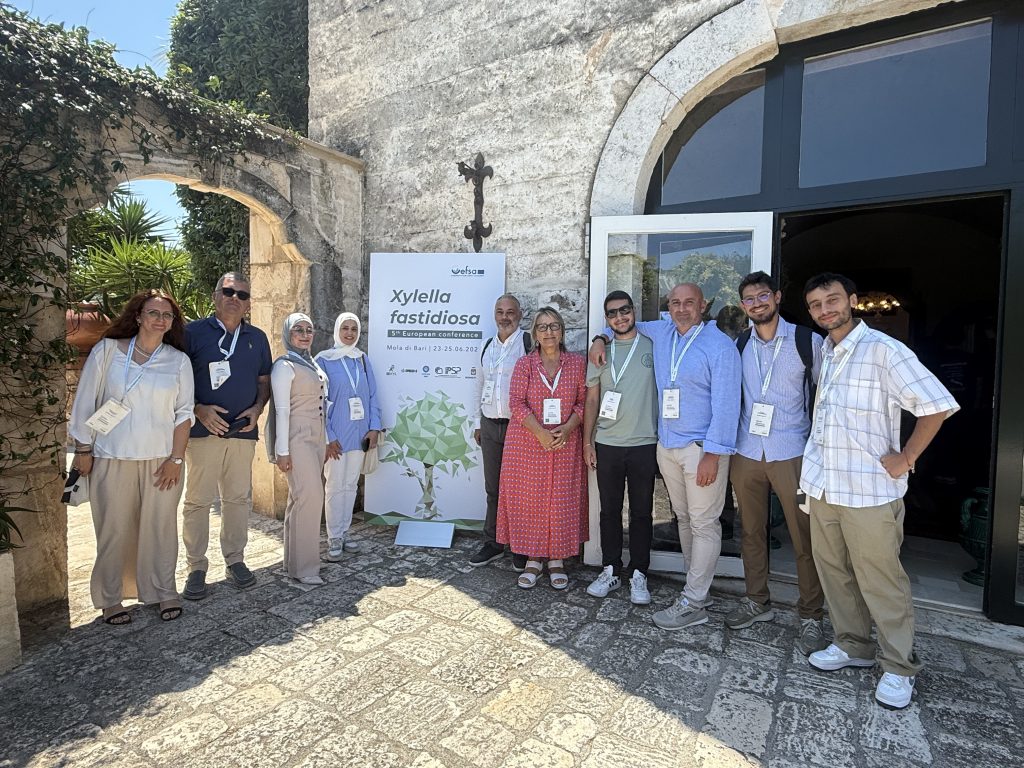
La Puglia è stata il primo territorio europeo a confrontarsi con Xylella fastidiosa. Oggi è anche il luogo in cui una delle più gravi emergenze fitosanitarie degli ultimi decenni si è trasformata in un patrimonio di conoscenze, competenze e relazioni al servizio dell’Europa e del Mediterraneo.
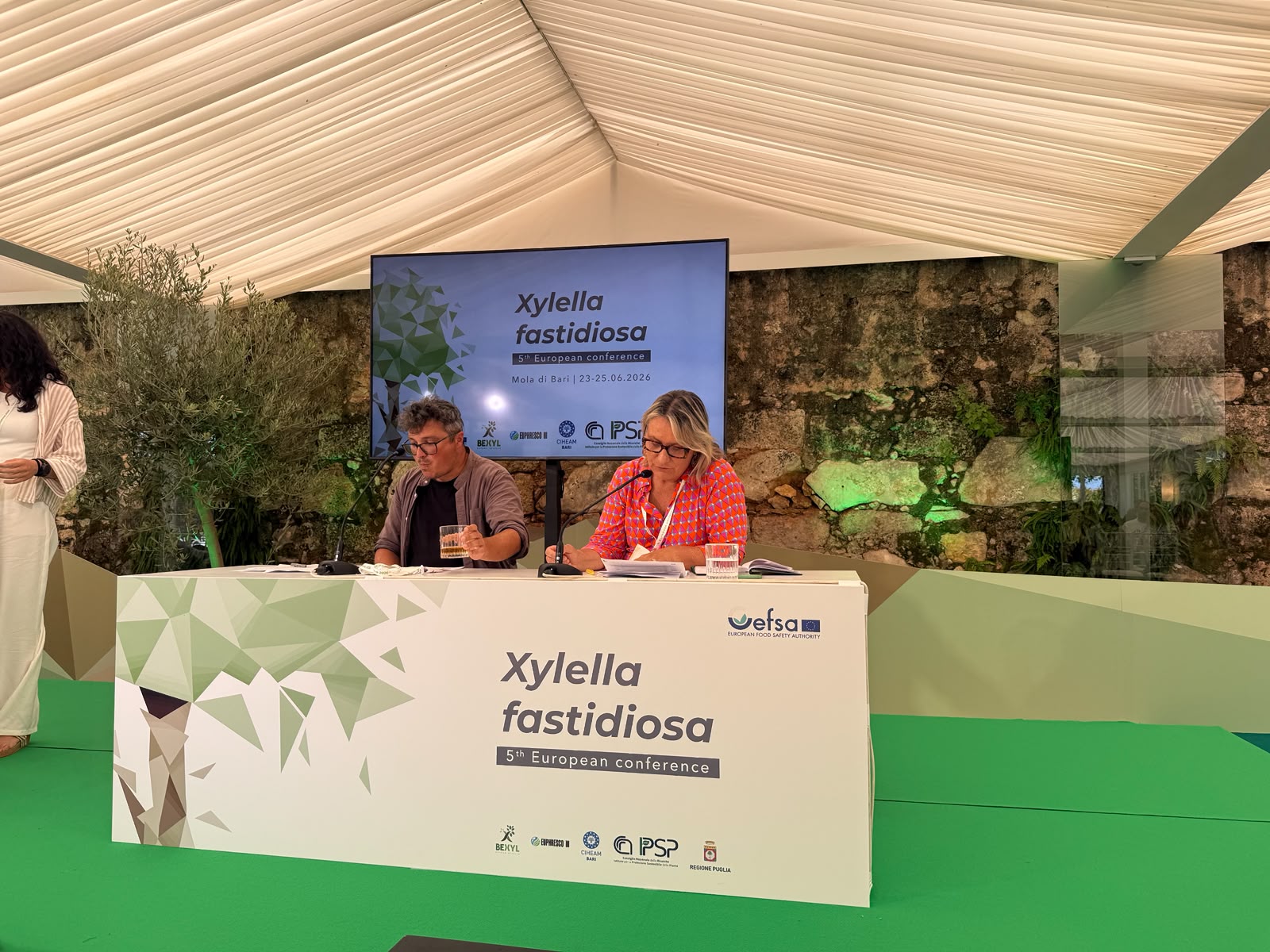
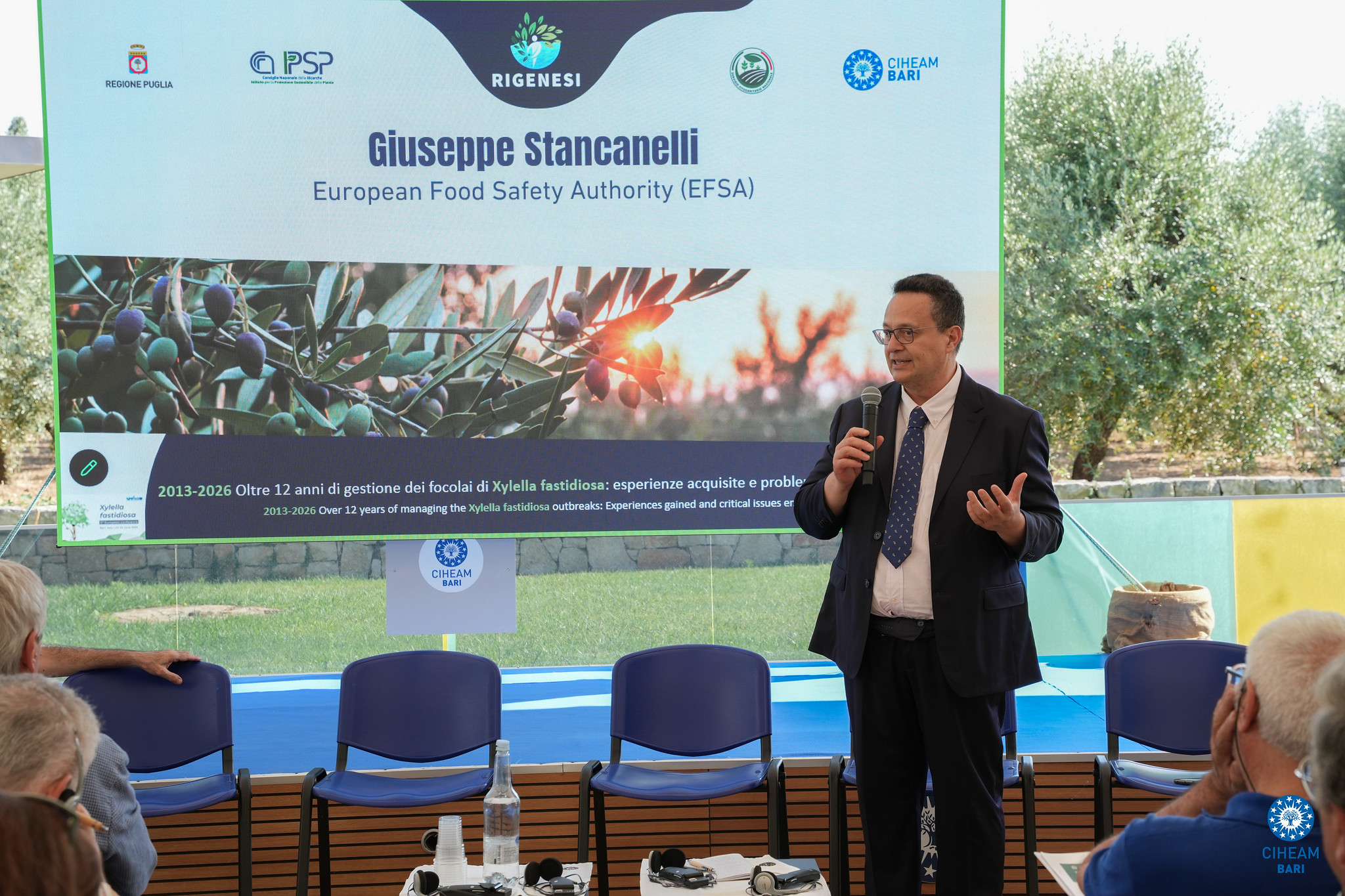
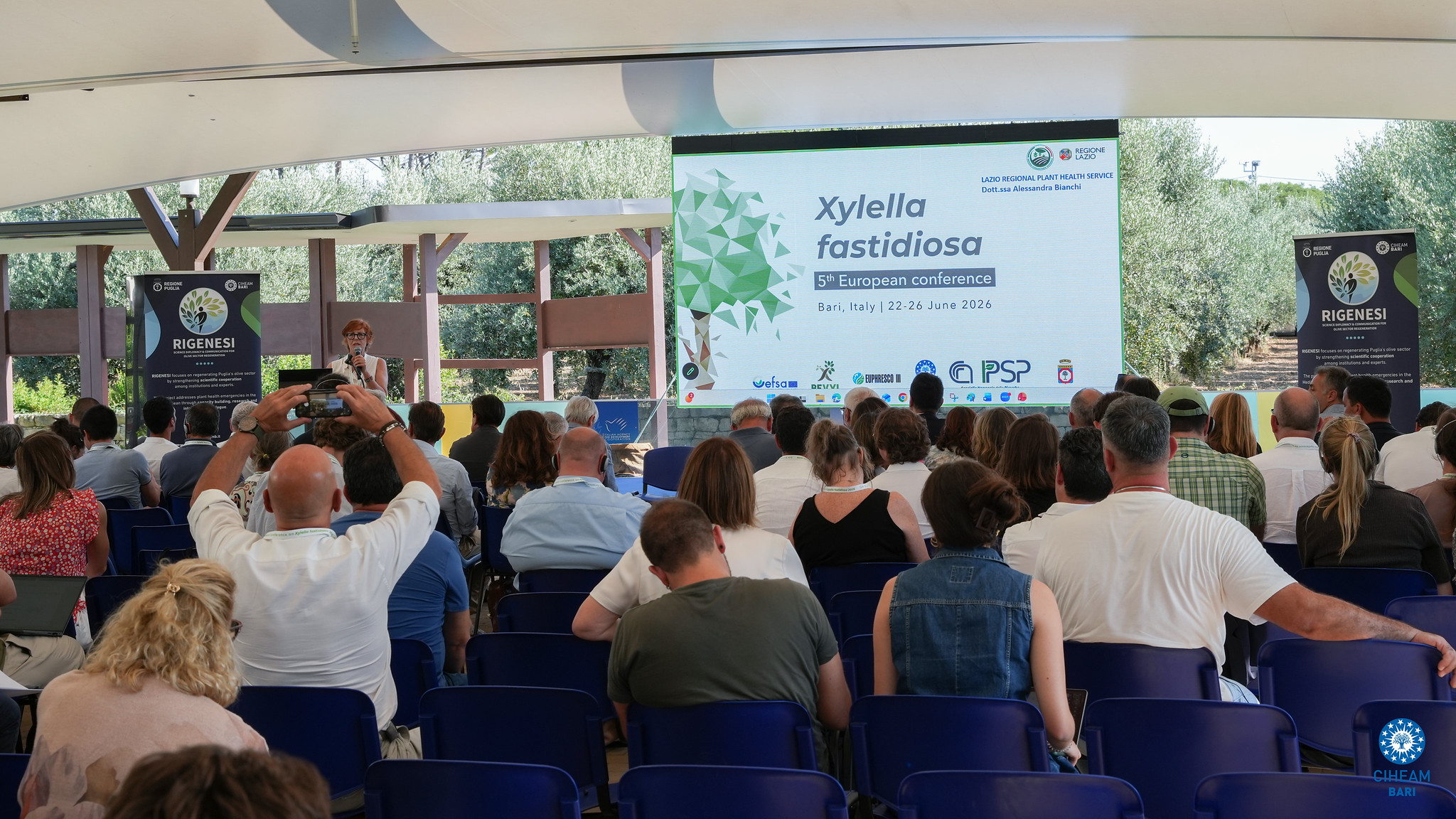
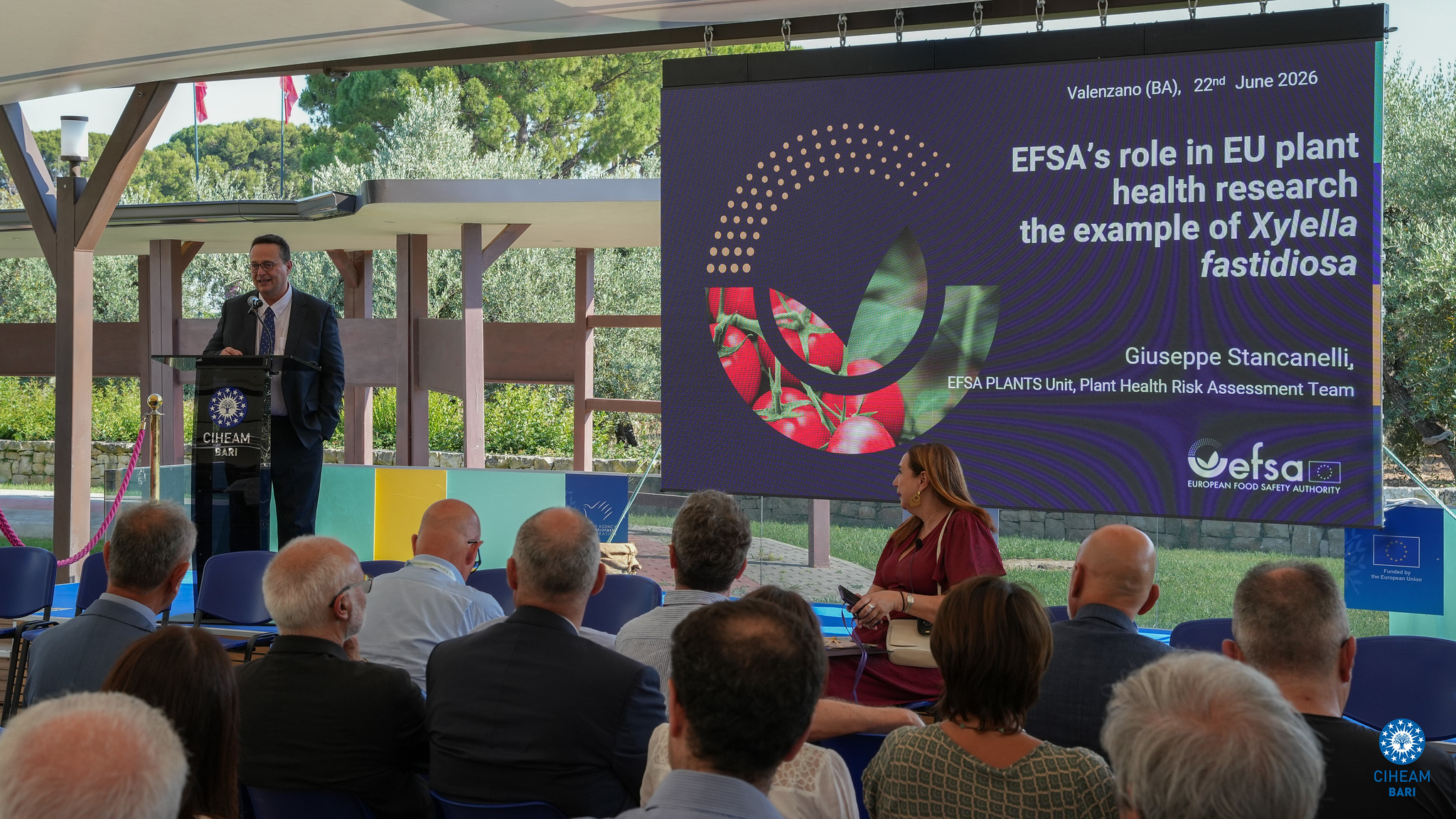
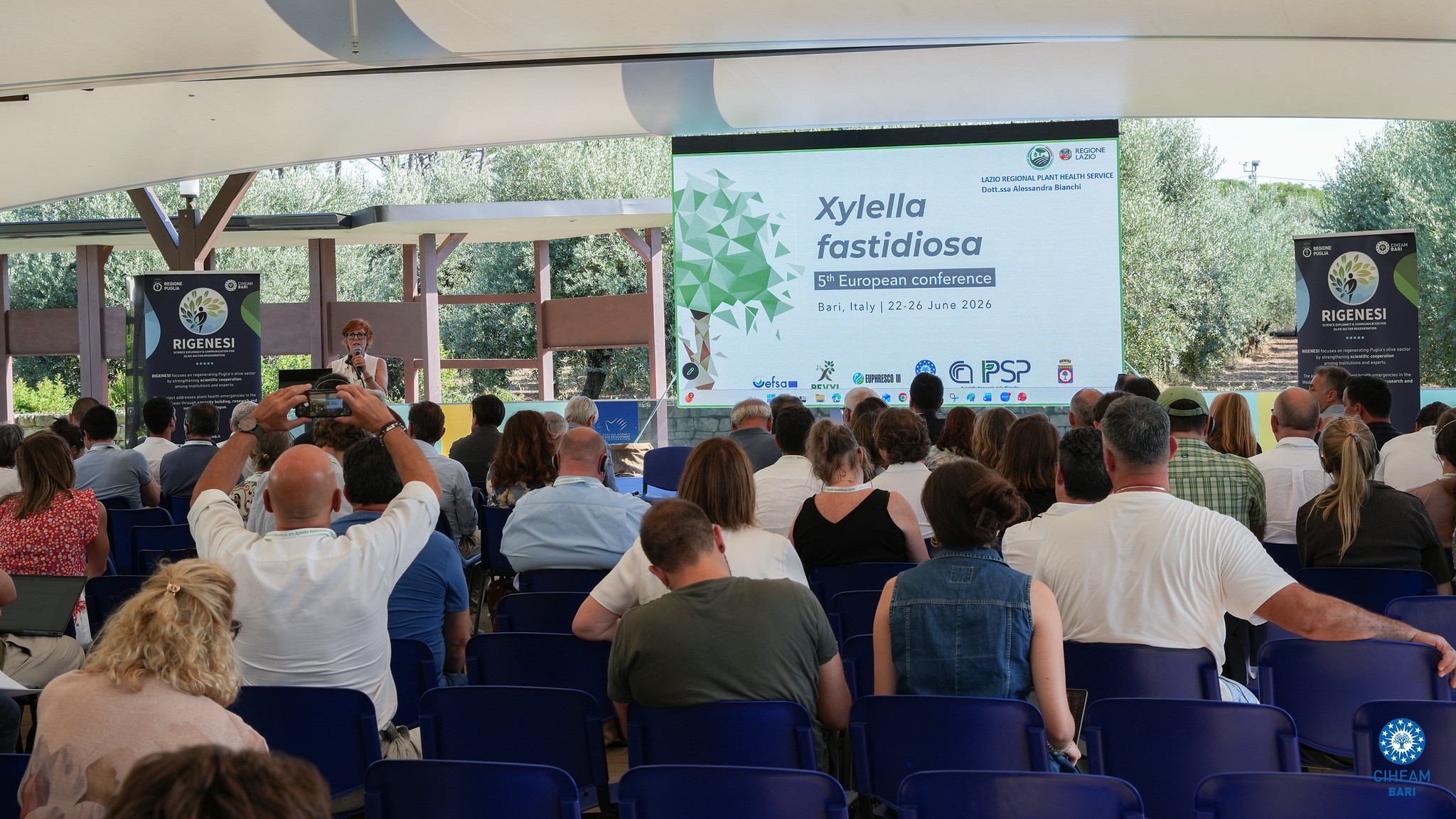
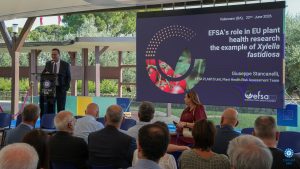
È questo il filo conduttore emerso nel corso della 5ª European Conference on Xylella fastidiosa organizzata da EFSA, che ha visto il CIHEAM Bari collaborare all’organizzazione dell’evento insieme ai principali partner scientifici ed istituzionali europei.
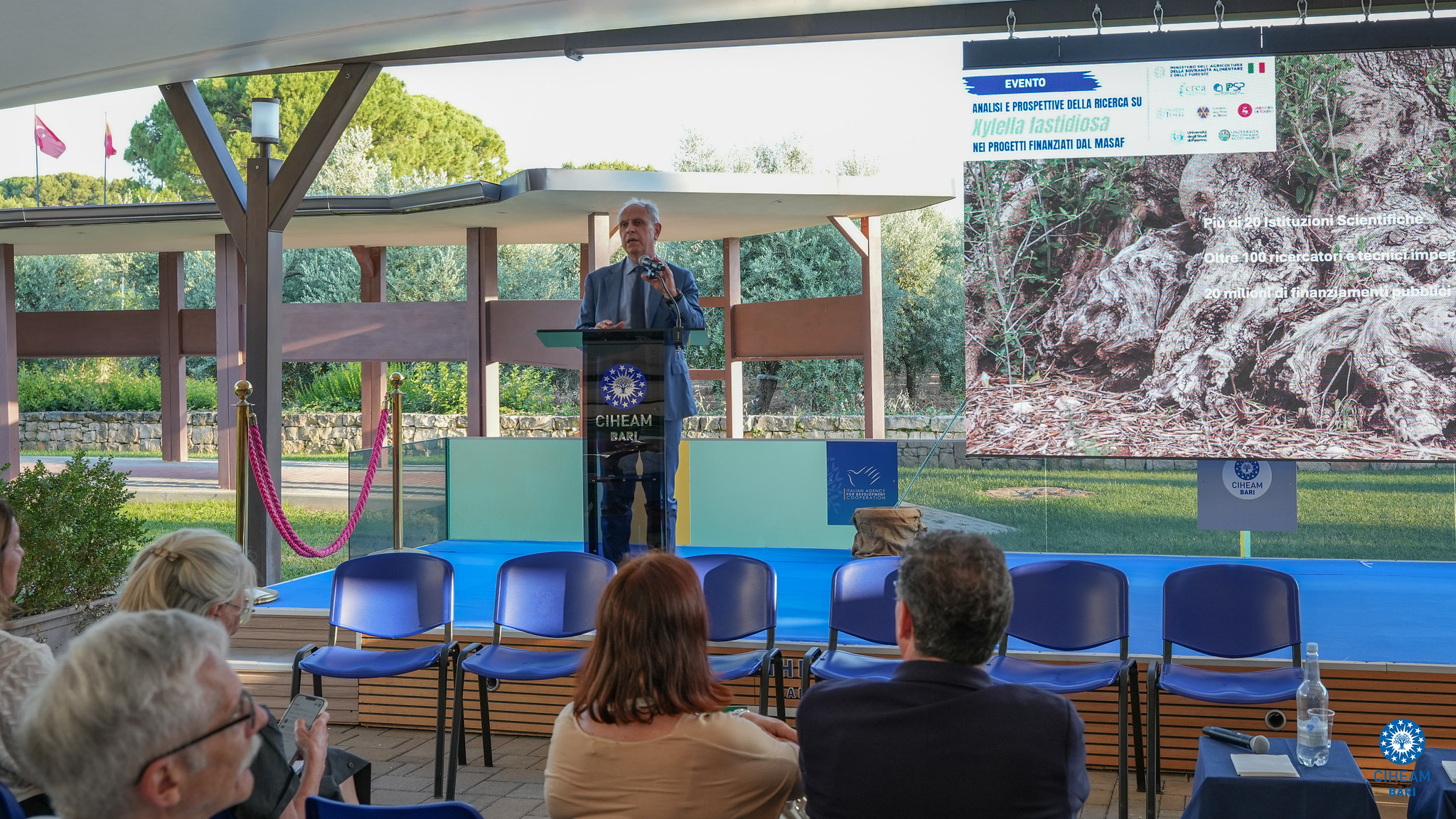
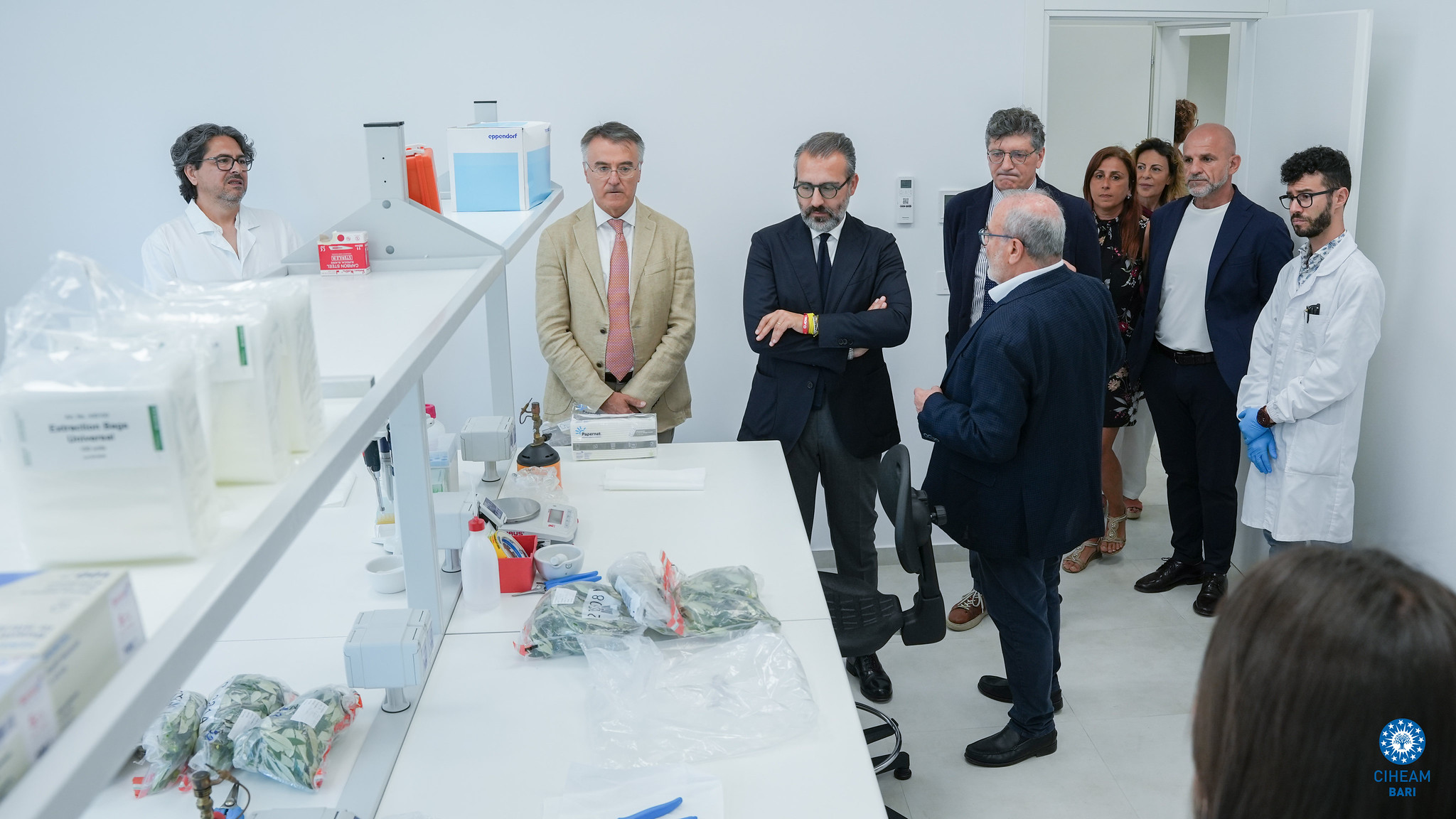
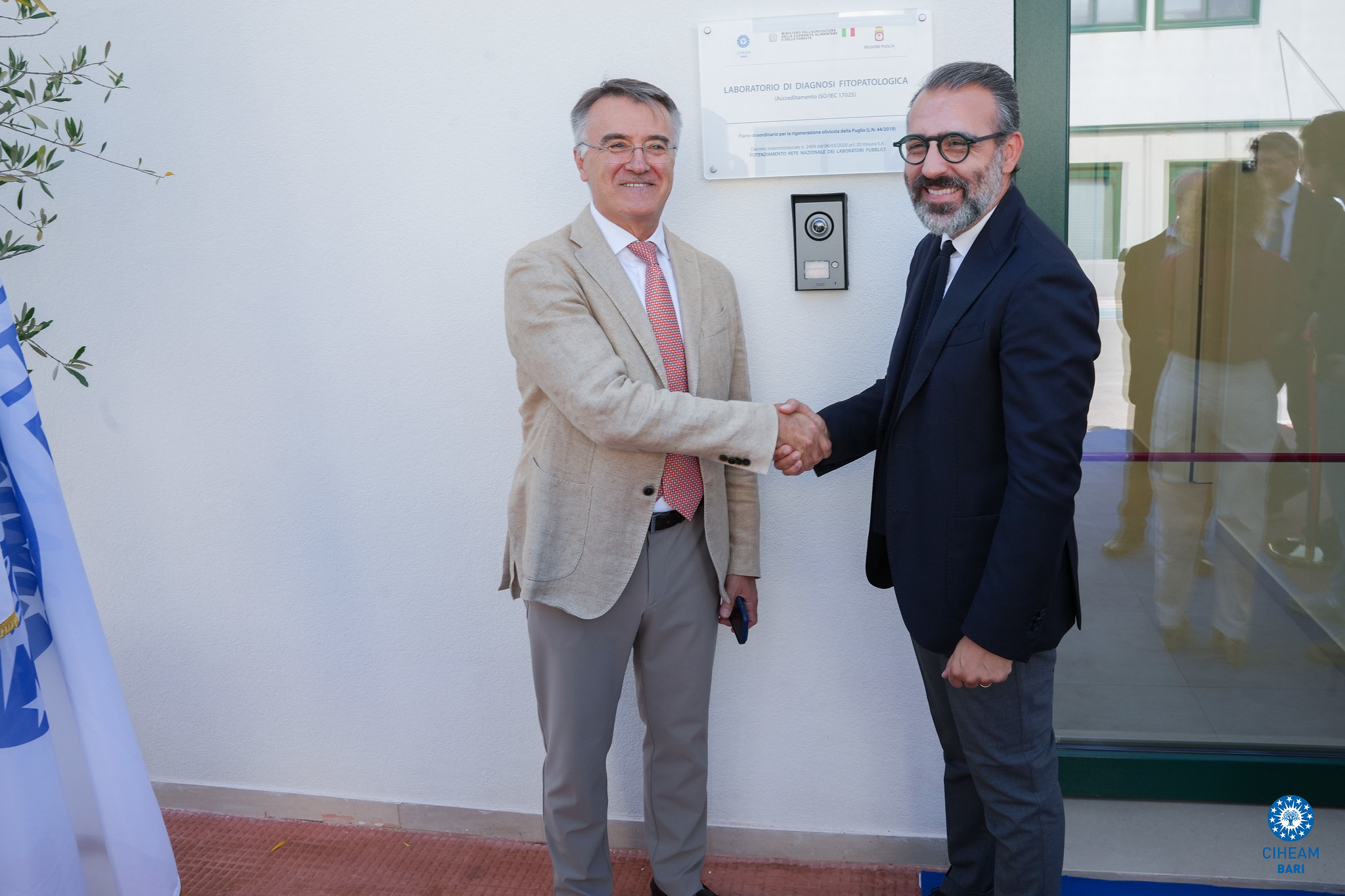
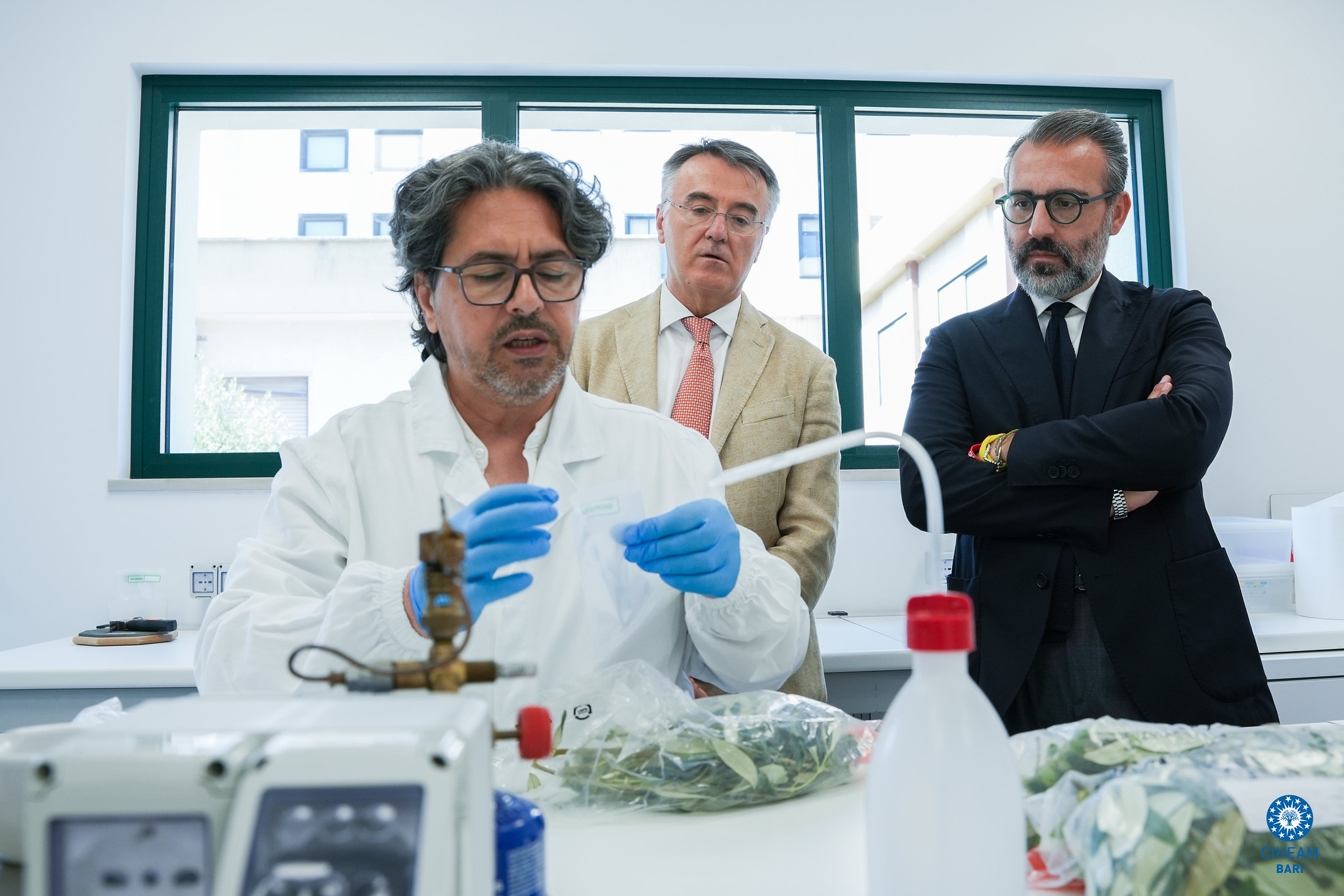
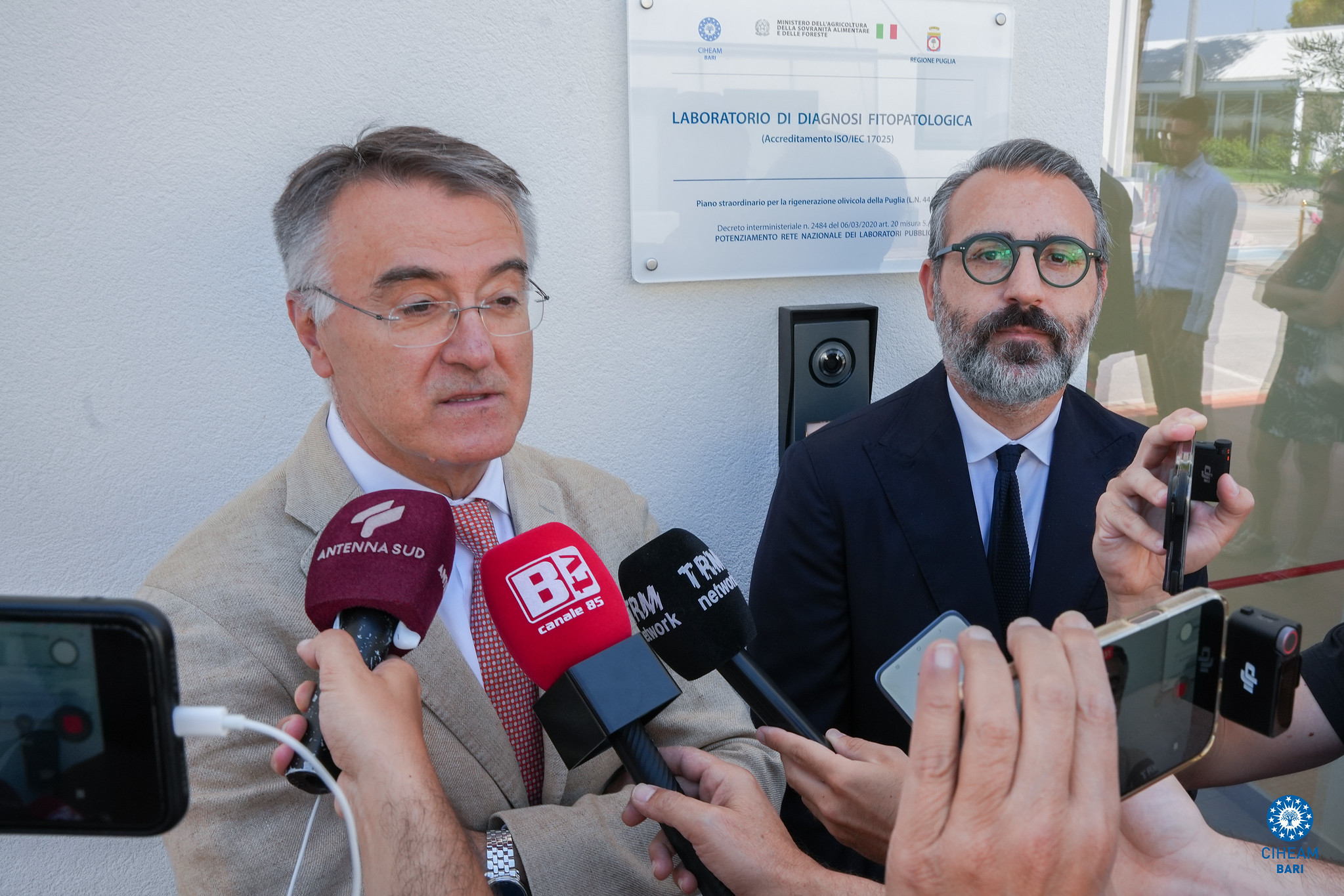
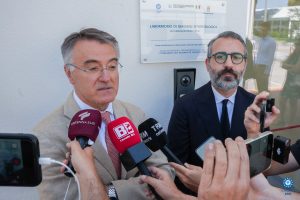
Accanto alla Conferenza, il CIHEAM Bari ha ospitato e contribuito attivamente a due importanti momenti di confronto e approfondimento: il side event dedicato ai progetti di ricerca su Xylella Fastidiosa finanziati dal MASAF e la tavola rotonda internazionale dei servizi fitosanitari europei. A questi si è aggiunta l'inaugurazione del nuovo Laboratorio di Diagnosi Fitopatologica, un'infrastruttura strategica che rafforza il Sistema Puglia della ricerca e la capacità regionale di prevenzione, monitoraggio e risposta alle emergenze fitosanitarie. Appuntamenti diversi collegati da un unico messaggio: la risposta alle emergenze fitosanitarie nasce dalla capacità di costruire reti stabili di collaborazione tra istituzioni, comunità scientifica e territorio.
L'emergenza Xylella ha rappresentato per la Puglia una delle sfide più complesse della sua storia recente. Ma è stata anche l'occasione per costruire un modello di relazioni tra diversi soggetti coinvolti, coordinati dall’Osservatorio Fitosanitario della Regione Puglia, che comprende istituzioni scientifiche, le agenzie regionali (ARIF e Innovapuglia) e i Carabinieri forestali, fondato sulla condivisione delle competenze.
Un sistema di relazioni che oggi rappresenta uno dei principali punti di forza della Puglia nella tutela della salute delle piante che integra ricerca, monitoraggio, innovazione tecnologica e trasferimento delle conoscenze.
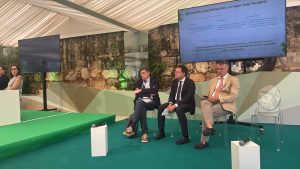
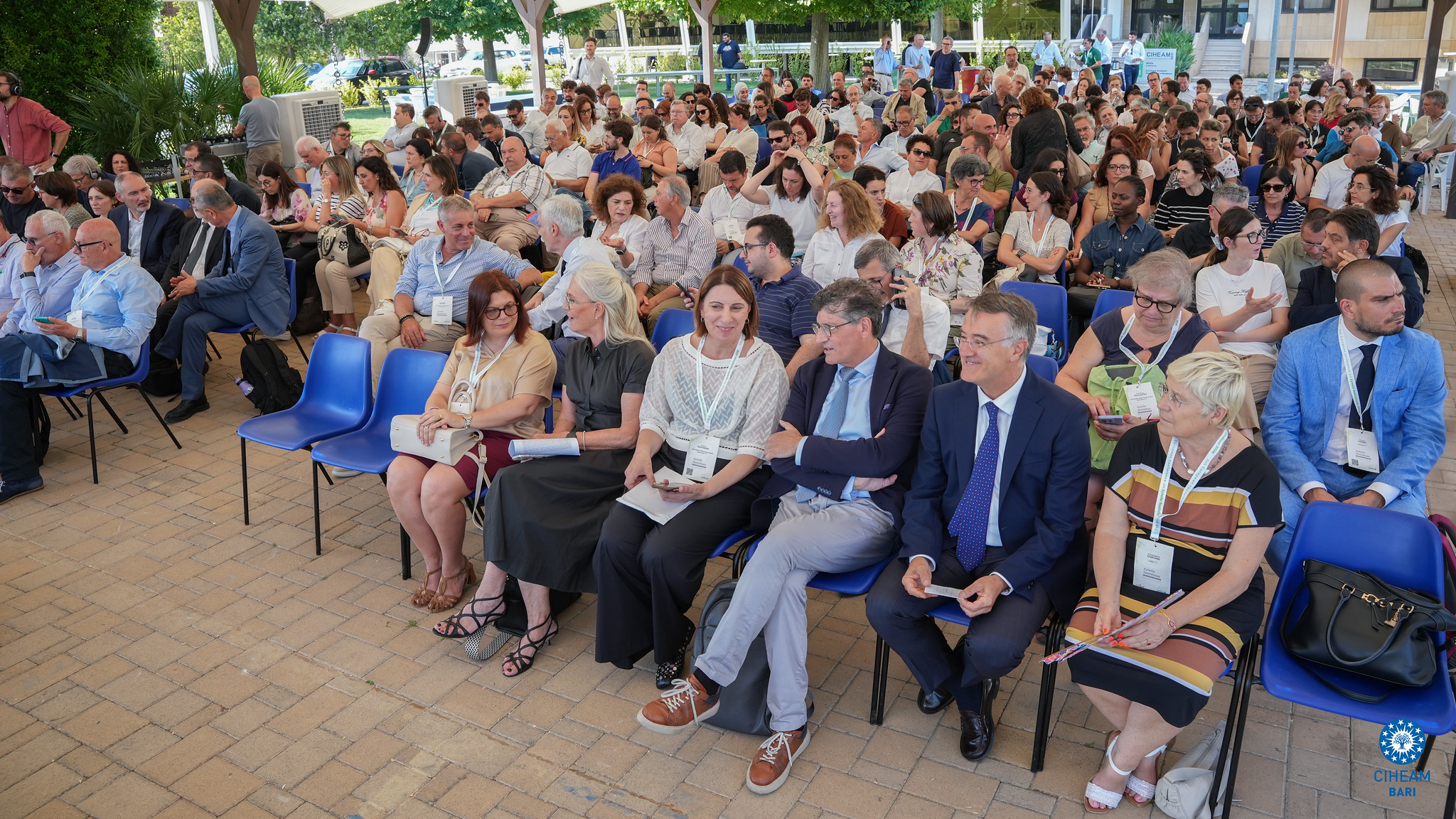
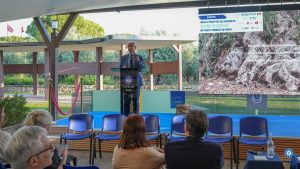
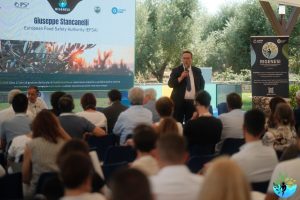
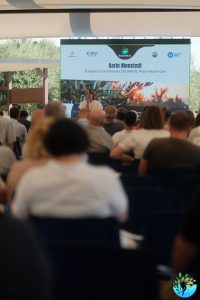
La Conferenza europea organizzata da EFSA ne ha rappresentato una concreta testimonianza. Per quattro giorni oltre 400 ricercatori, rappresentanti delle istituzioni europee e nazionali, servizi fitosanitari e stakeholder provenienti da tutta Europa e dall’area mediterranea si sono confrontati sui più recenti risultati della ricerca.
Le evidenze presentate durante i lavori raccontano una nuova fase della ricerca su Xylella fastidiosa. Dopo oltre dodici anni di studi stanno emergendo risultati sempre più solidi sulla resistenza degli olivi, sul controllo biologico del batterio, sulla gestione degli insetti vettori e sulle tecnologie di diagnosi e sorveglianza. Conoscenze che oggi possono orientare in modo sempre più efficace le politiche fitosanitarie e le strategie di prevenzione.
In questo percorso il CIHEAM Bari rappresenta uno degli elementi di connessione del Sistema Puglia.
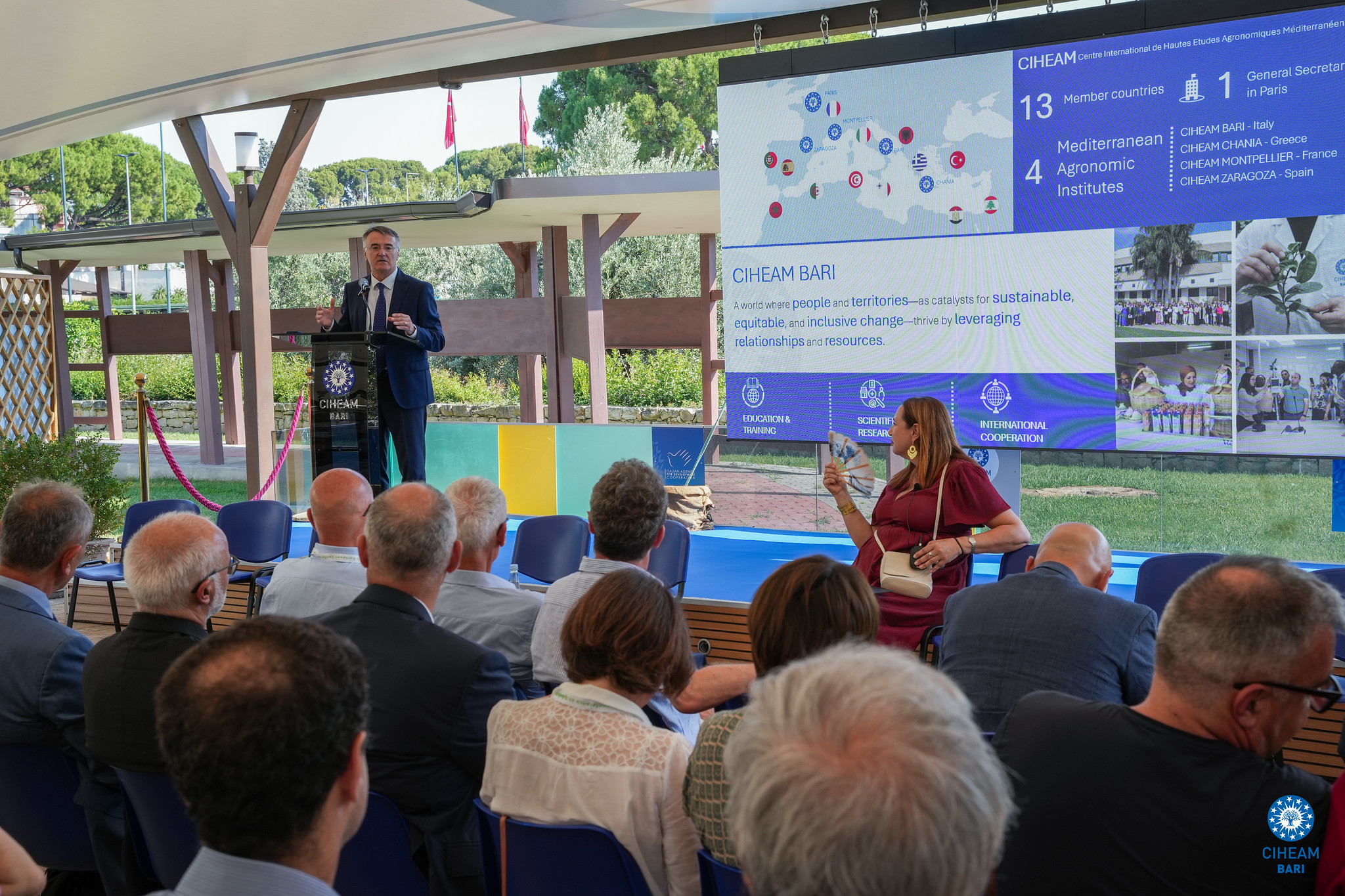
La sua specificità consiste nella capacità di mettere in relazione ricerca scientifica, alta formazione, innovazione tecnologica e cooperazione internazionale, favorendo il dialogo tra istituzioni, comunità scientifica e servizi fitosanitari.
L’esperienza maturata in oltre sessant’anni di attività ha consentito all’Istituto di accompagnare tutte le fasi dell’emergenza Xylella, contribuendo alle attività di ricerca, diagnosi, monitoraggio, trasferimento tecnologico e formazione.
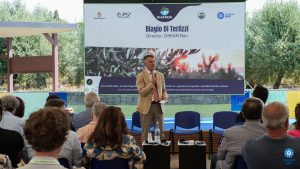
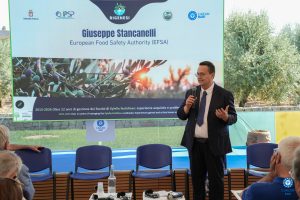
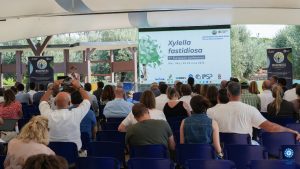
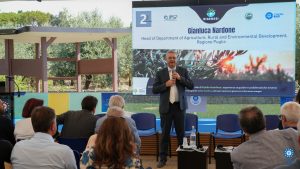
Parallelamente, il CIHEAM Bari ha rafforzato il proprio ruolo nella cooperazione internazionale, trasformando le conoscenze sviluppate in Puglia in un patrimonio condiviso con i Paesi del Mediterraneo.
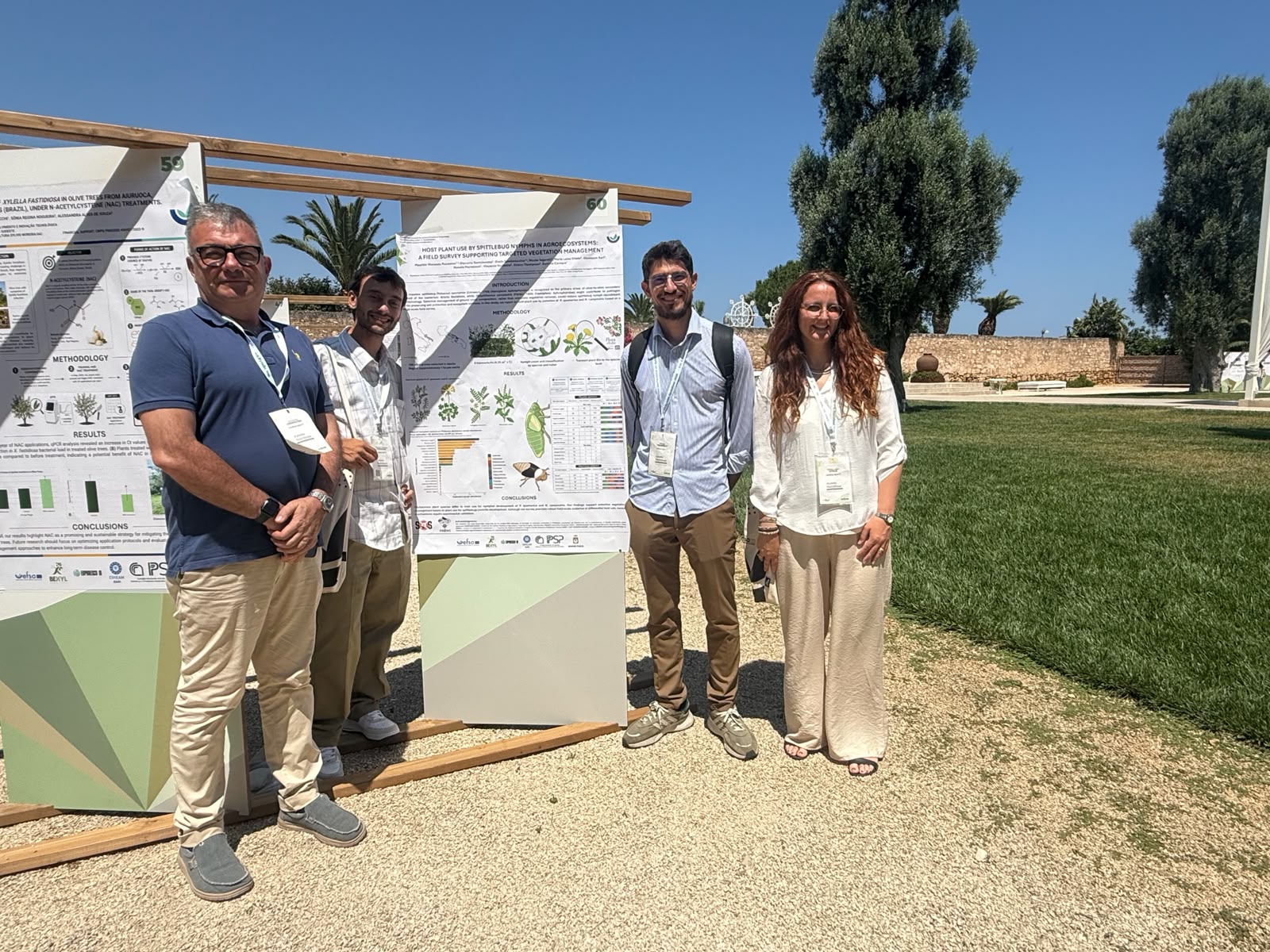
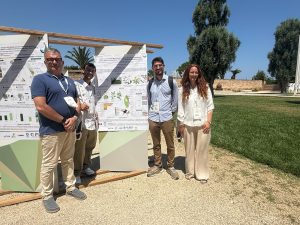
La partecipazione alla Conferenza EFSA conferma questo percorso. Oltre alla collaborazione nell’organizzazione dell’evento, il CIHEAM Bari ha contribuito ai lavori attraverso interventi scientifici, poster di ricerca e momenti di approfondimento dedicati alle prospettive della ricerca e all’evoluzione delle strategie di prevenzione e gestione delle emergenze fitosanitarie.
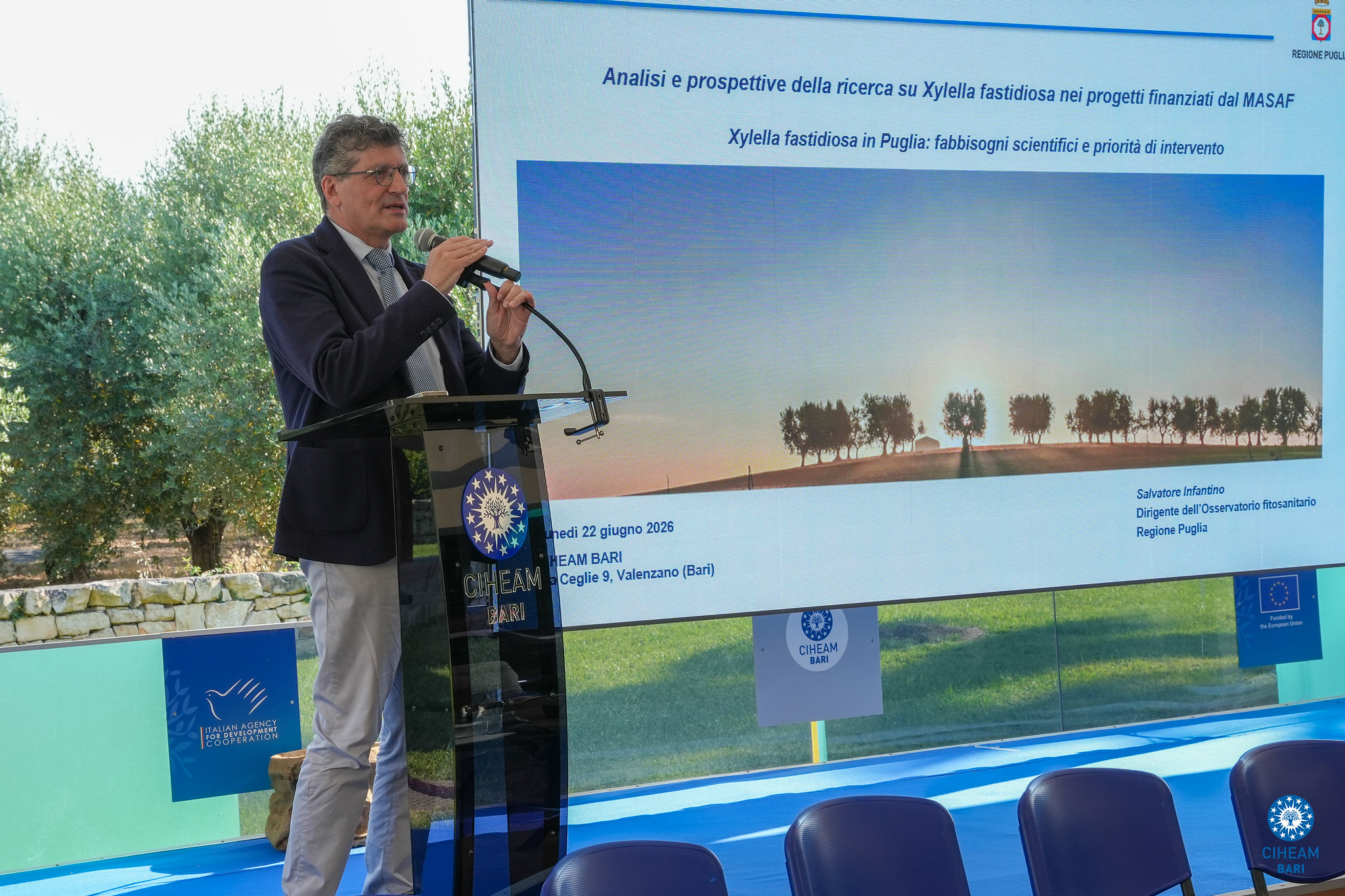
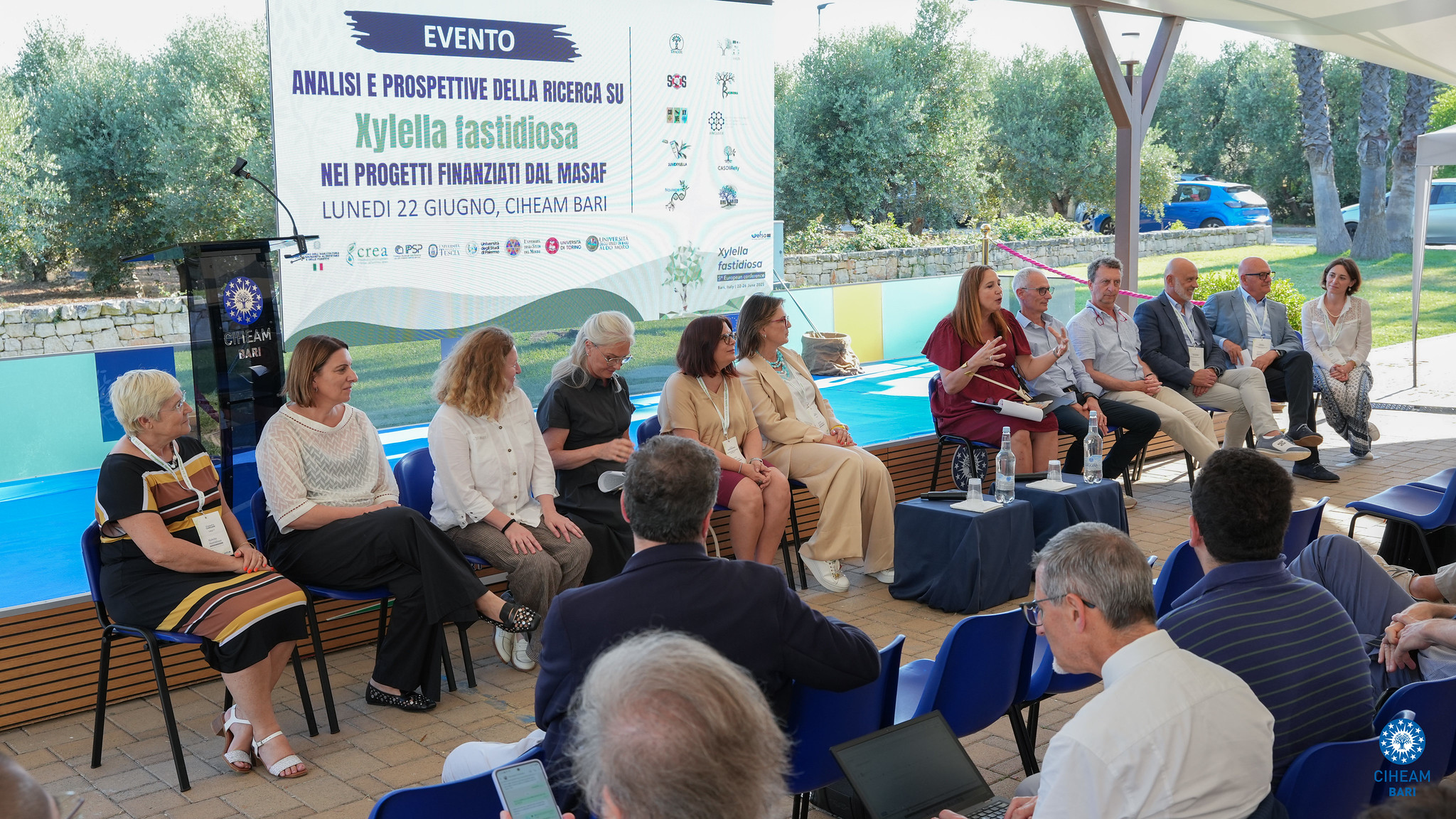
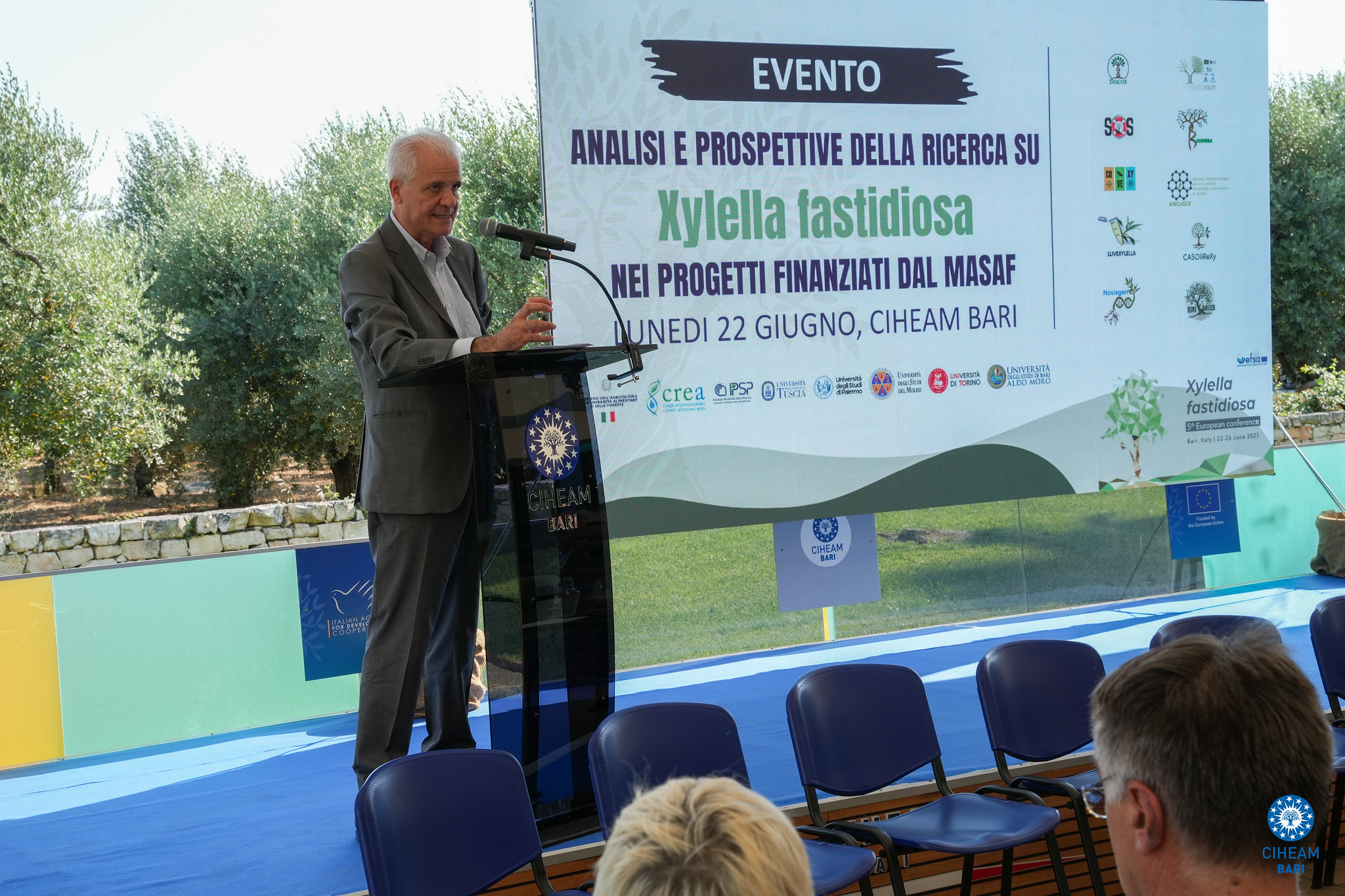
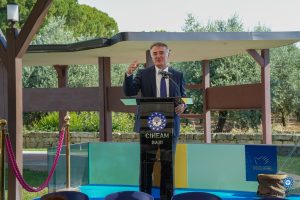
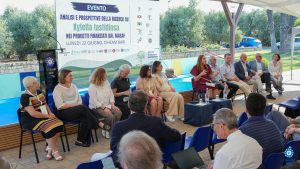
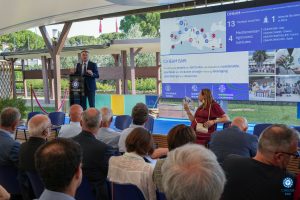
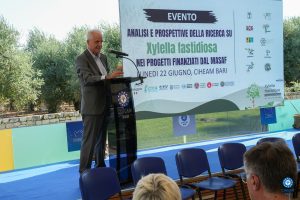
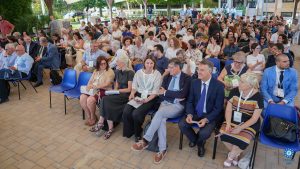
Tra gli appuntamenti della settimana, particolare rilievo ha assunto il side event ospitato dal CIHEAM Bari e organizzato dal Ministero dell’Agricoltura, della Sovranità Alimentare e delle Foreste (MASAF) e dal CREA, dedicato agli undici progetti di ricerca su Xylella fastidiosa finanziati dal MASAF.
L’iniziativa ha offerto un’occasione di confronto tra ricercatori, istituzioni e servizi fitosanitari sui risultati raggiunti e sulle prospettive future della ricerca applicata, evidenziando come le conoscenze prodotte possano tradursi in strumenti concreti per la prevenzione e la gestione delle emergenze.
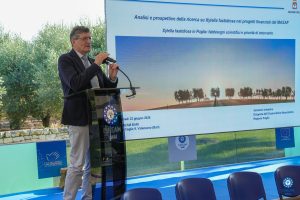
Il CIHEAM Bari partecipa direttamente a tre dei progetti:
- ANCoSIX: Sviluppa strategie innovative basate su nanotecnologie, batteriofagi e peptidi antimicrobici per il contenimento del batterio.
- SOS: Studia le interazioni tra olivo, insetti vettori e ambiente per individuare nuovi approcci di controllo biologico e strategie sostenibili di difesa.
- 1LIVEXYLELLA: Dedicato allo sviluppo di tecnologie diagnostiche ultrasensibili e dispositivi portatili per individuare precocemente la presenza del batterio direttamente in campo.
Tre progetti diversi, accomunati dallo stesso obiettivo: mettere la ricerca al servizio delle decisioni e fornire strumenti sempre più efficaci a supporto della salute delle piante, dell’attività dei servizi fitosanitari e del sistema produttivo.
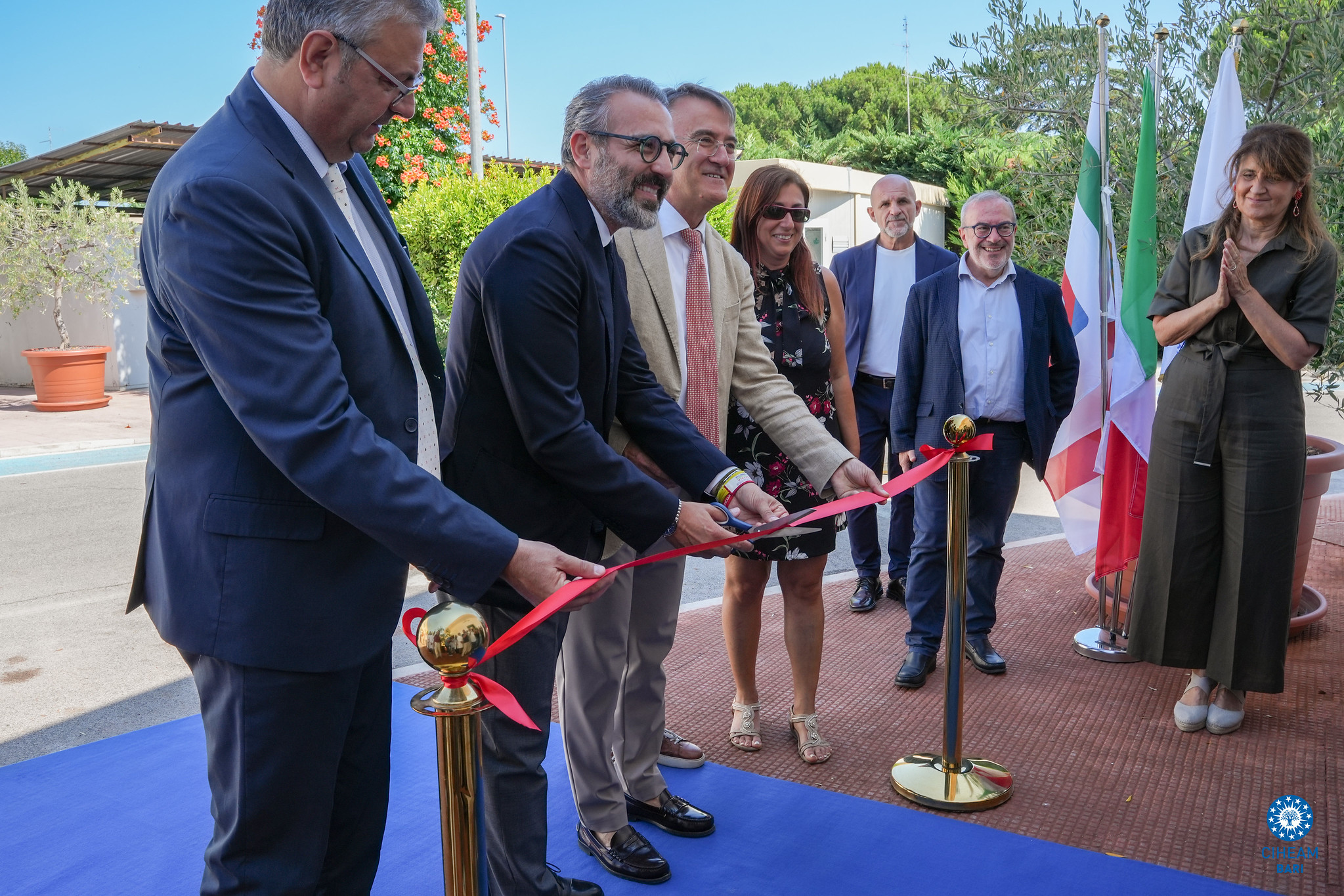
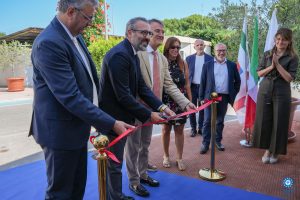
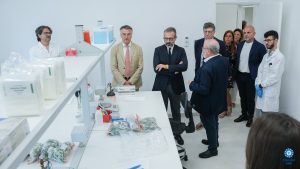
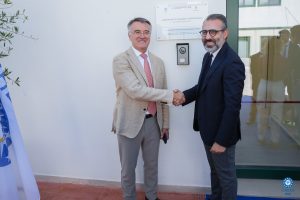
Tra i risultati più concreti di questo percorso si inserisce l’inaugurazione del nuovo Laboratorio di Diagnosi Fitopatologica del CIHEAM Bari, realizzato grazie al finanziamento della Regione Puglia nell’ambito del Piano Straordinario per la Rigenerazione Olivicola.
L’infrastruttura rappresenta un investimento strategico per il rafforzamento del sistema regionale di sorveglianza fitosanitaria. Accreditato secondo la norma ISO/IEC 17025, il laboratorio contribuirà alle attività di diagnosi ufficiale e monitoraggio svolte a supporto dell’Osservatorio Fitosanitario Regionale, con una capacità operativa fino a 200 campioni al giorno nell’arco di 24 ore e un progressivo potenziamento del personale specializzato.
L’investimento rientra nella strategia della Regione Puglia finalizzata a consolidare una rete di laboratori accreditati in grado di garantire risposte sempre più tempestive, affidabili e scientificamente validate alle emergenze fitosanitarie.
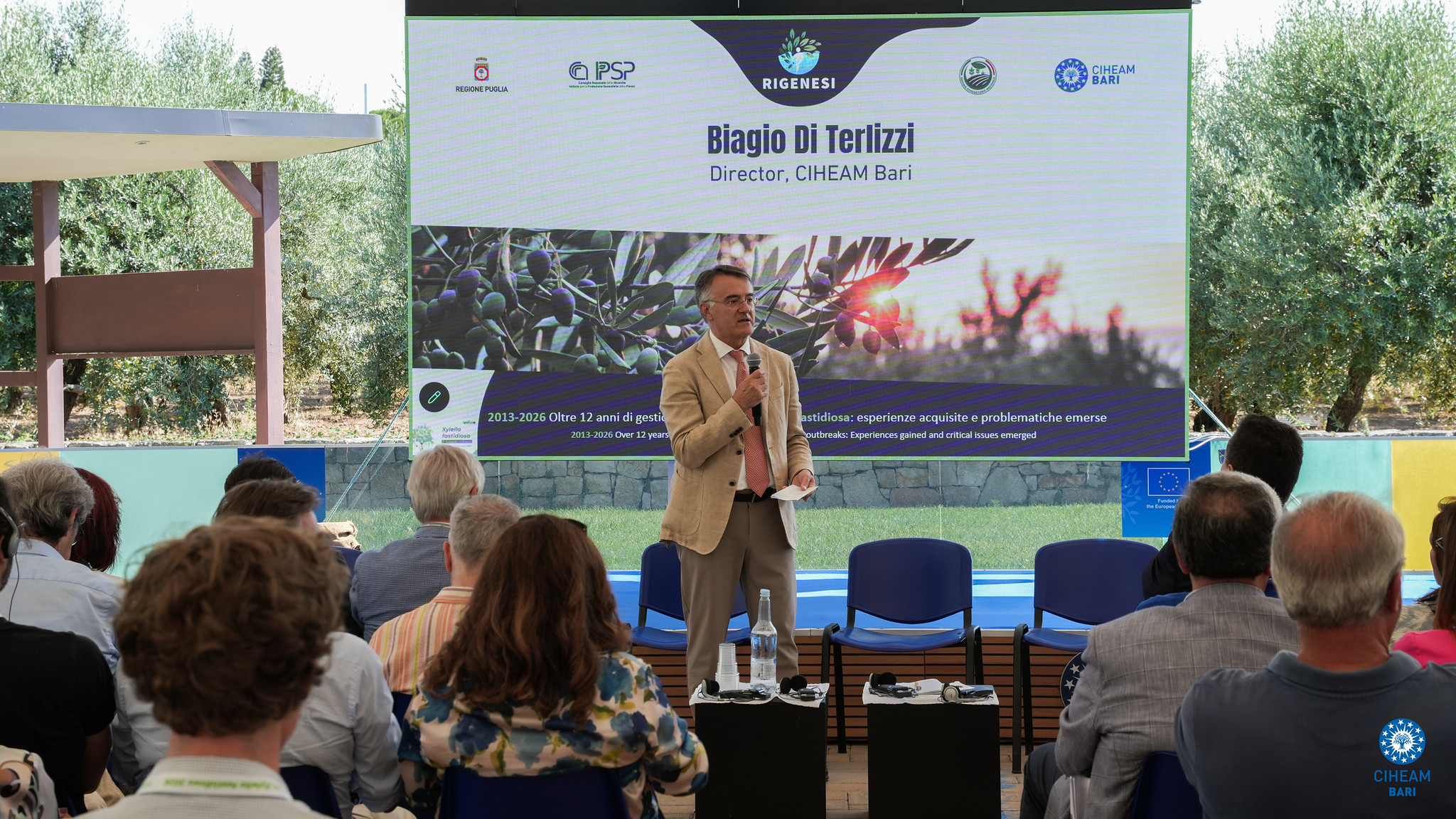
Per il Direttore del CIHEAM Bari, Biagio Di Terlizzi, il valore della nuova struttura va ben oltre la dotazione tecnologica.
«L’esperienza del CIHEAM Bari nel monitoraggio delle malattie da quarantena affonda le sue radici in molti anni di attività, sviluppando competenze e capacità che oggi fanno di questa struttura un punto di riferimento non solo per il territorio pugliese. Il laboratorio rappresenta una vera e propria banca del sapere e delle conoscenze, frutto della stretta collaborazione con la Regione Puglia e con numerosi partner nazionali e internazionali.»
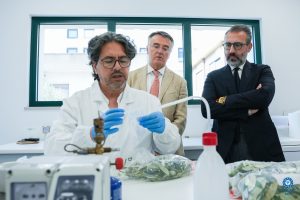
Di Terlizzi ha inoltre sottolineato che questo rafforzamento di un’unità di protezione delle piante vuole essere anche una sorta di diplomazia fitosanitaria e di dialogo con gli altri Paesi.
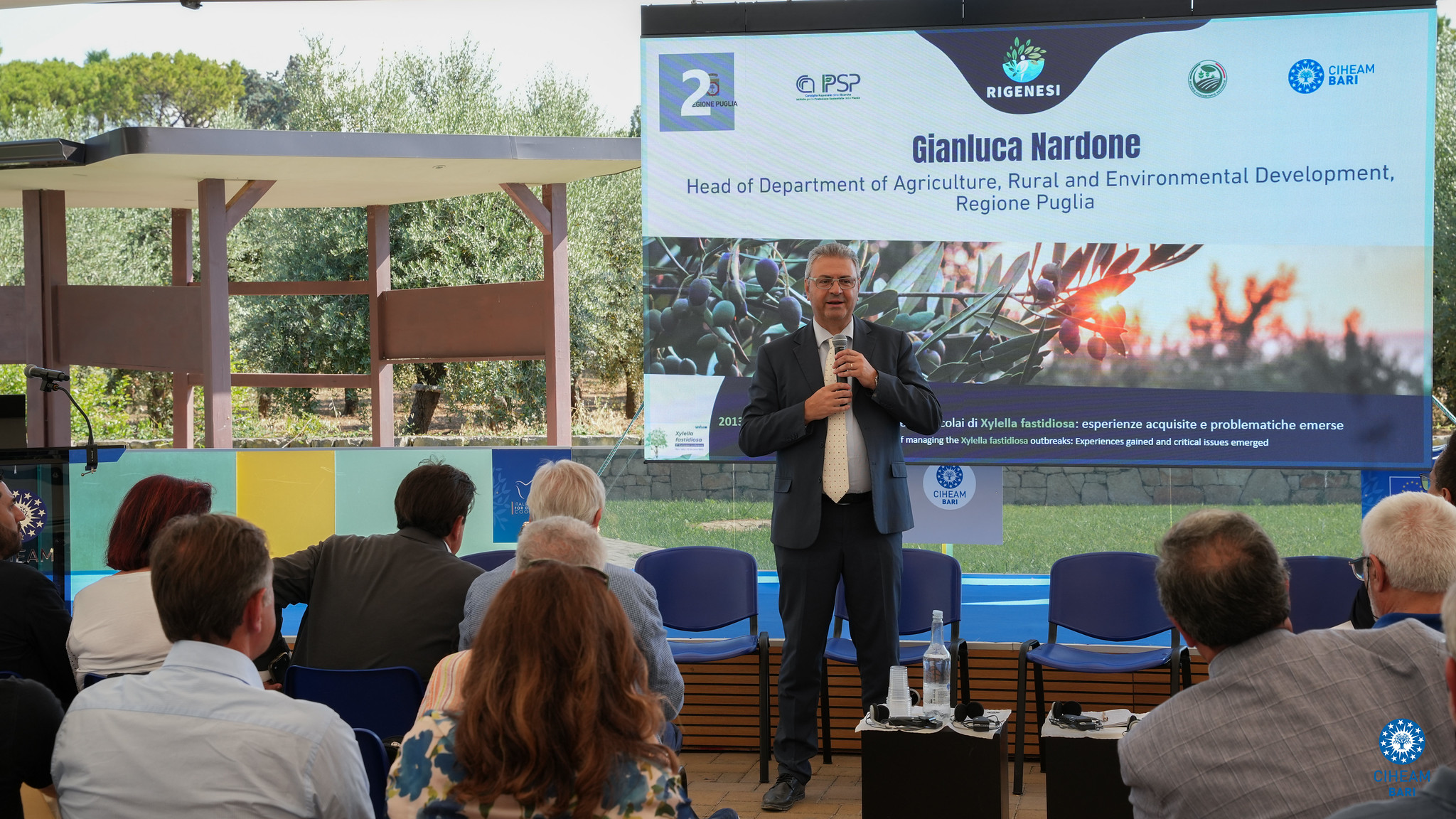
Un investimento che, come evidenziato dall’Assessore regionale all’Agricoltura e Sviluppo Rurale Francesco Paolicelli, conferma la scelta della Regione Puglia di investire nella ricerca e nelle competenze come strumenti fondamentali per rafforzare la prevenzione e costruire il futuro dell’agricoltura pugliese.
La crescita del Sistema Puglia trova conferma anche nella recente decisione della Regione di ampliare il Comitato Tecnico-Scientifico chiamato a supportare la Giunta regionale nelle strategie di contrasto a Xylella fastidiosa e nel rilancio dei territori colpiti.
Il Comitato riunisce alcune delle più autorevoli competenze italiane e internazionali nei campi della patologia vegetale, dell’entomologia, della genetica, della viticoltura, delle scienze agrarie, della chimica, dell’urbanistica e delle tecnologie alimentari, provenienti da università, enti di ricerca e istituzioni scientifiche.
Tra i componenti figura anche Biagio Di Terlizzi, Direttore del CIHEAM Bari.
La sua presenza testimonia il riconoscimento del ruolo che il CIHEAM Bari svolge all’interno di una rete multidisciplinare costruita dalla Regione Puglia affinché le decisioni in materia fitosanitaria siano sempre più supportate dalle migliori evidenze scientifiche disponibili.
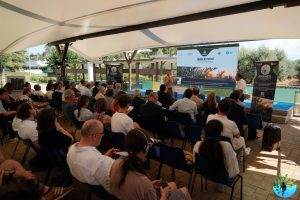
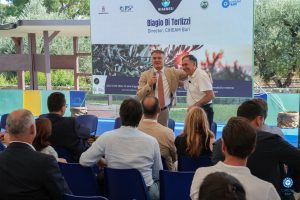
È un passaggio significativo, perché rafforza un principio che ha caratterizzato l’intera esperienza pugliese: la ricerca non interviene soltanto per comprendere i fenomeni, ma contribuisce concretamente alla definizione delle politiche pubbliche.
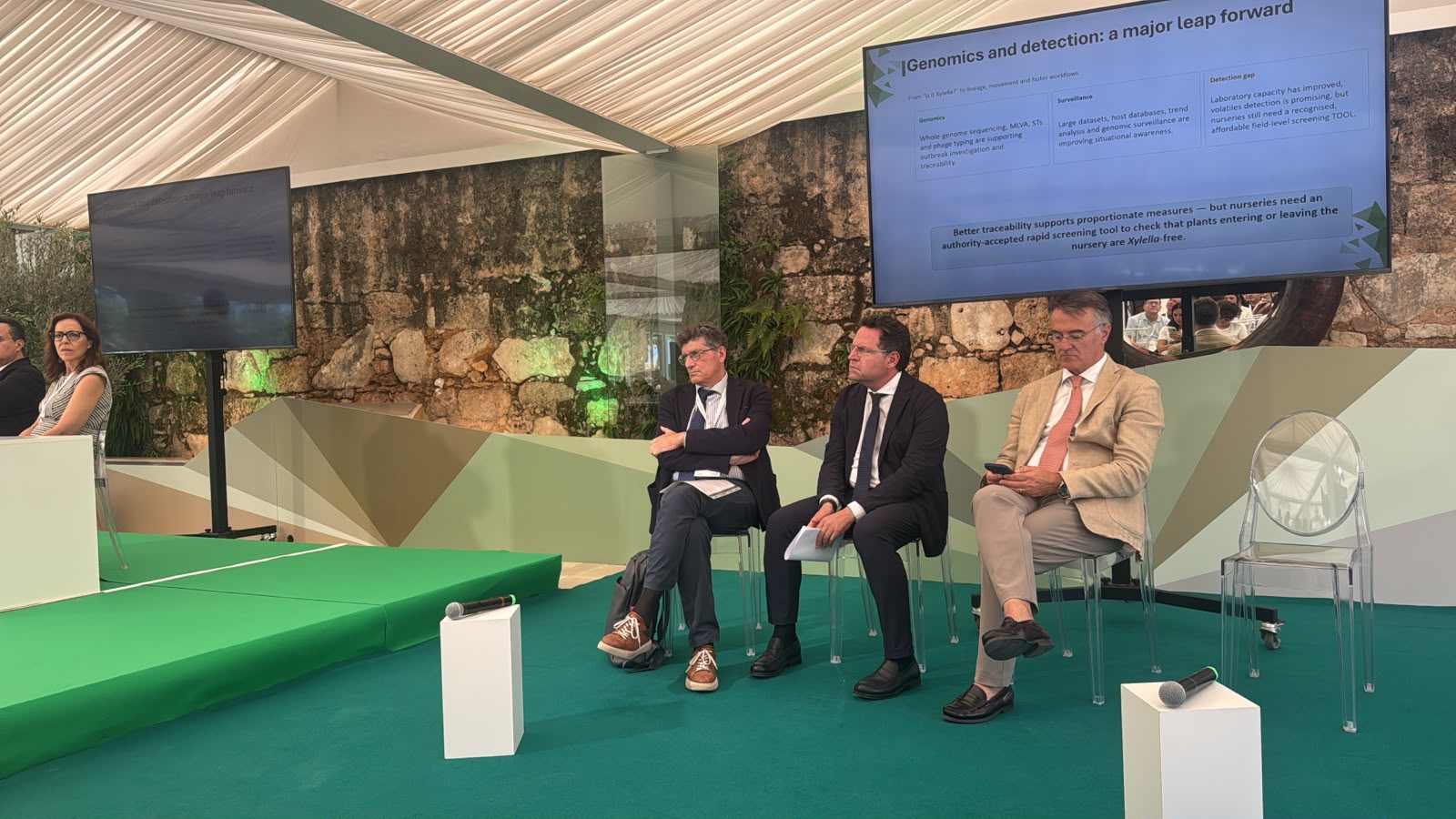
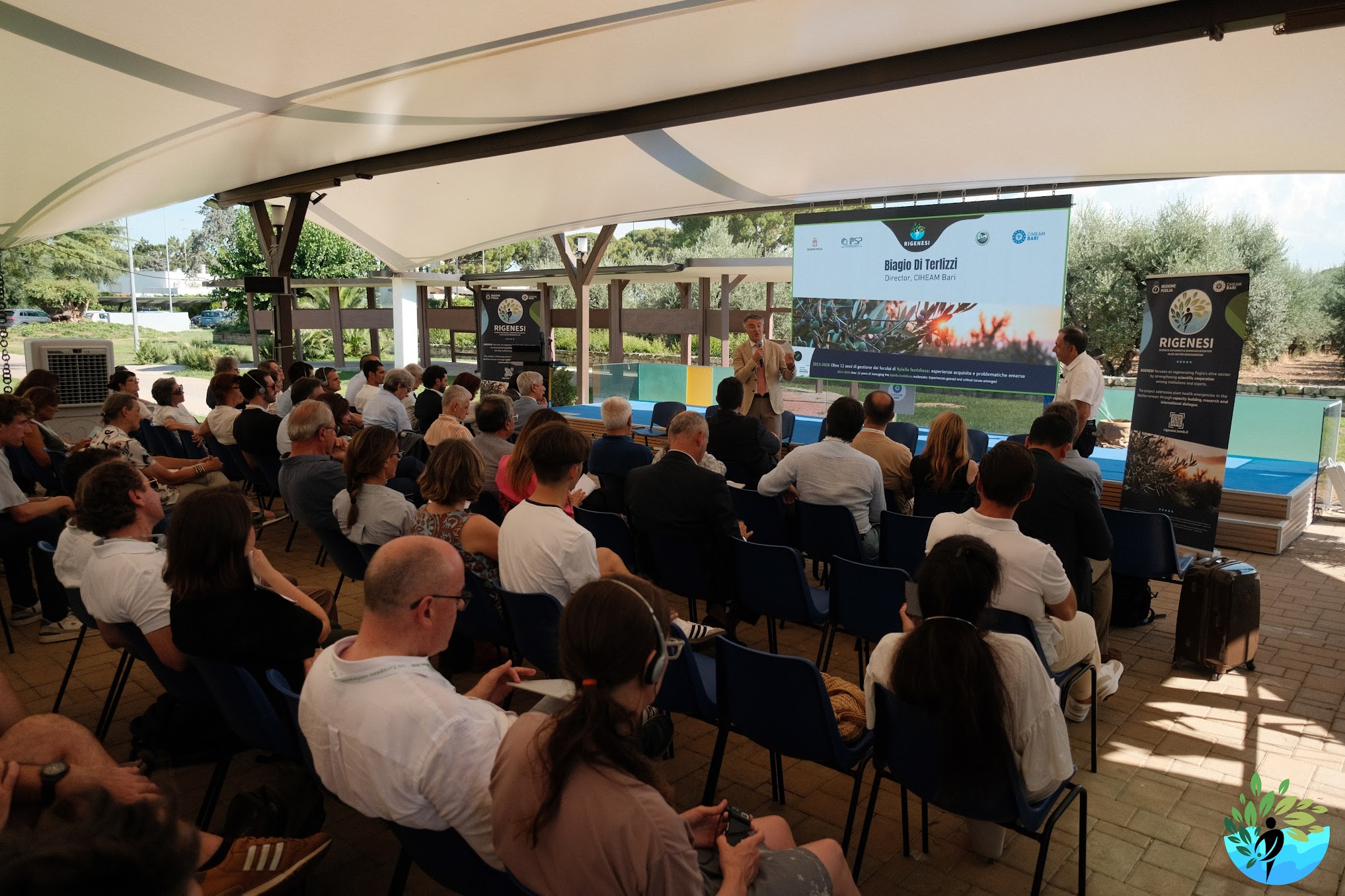
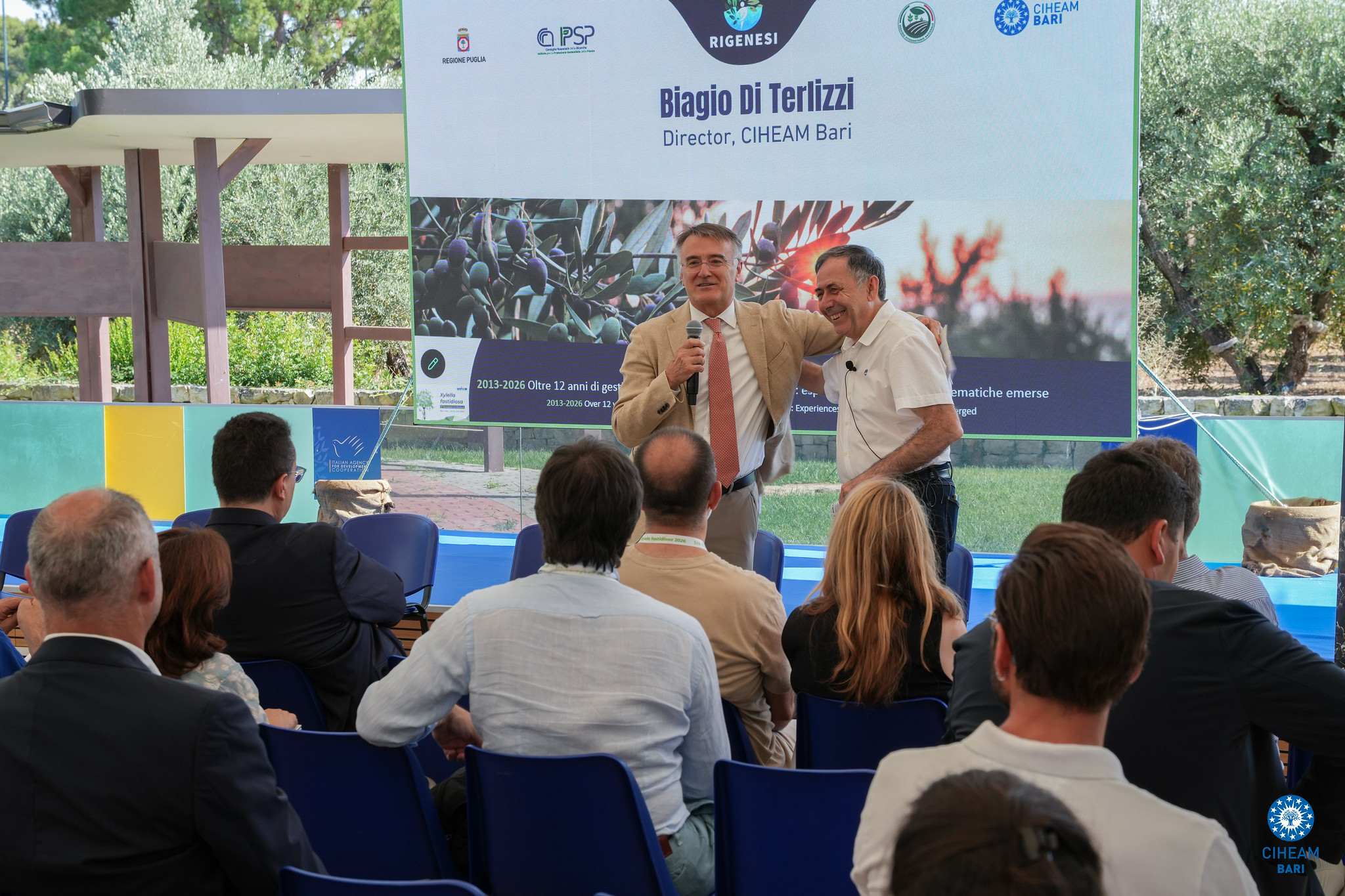
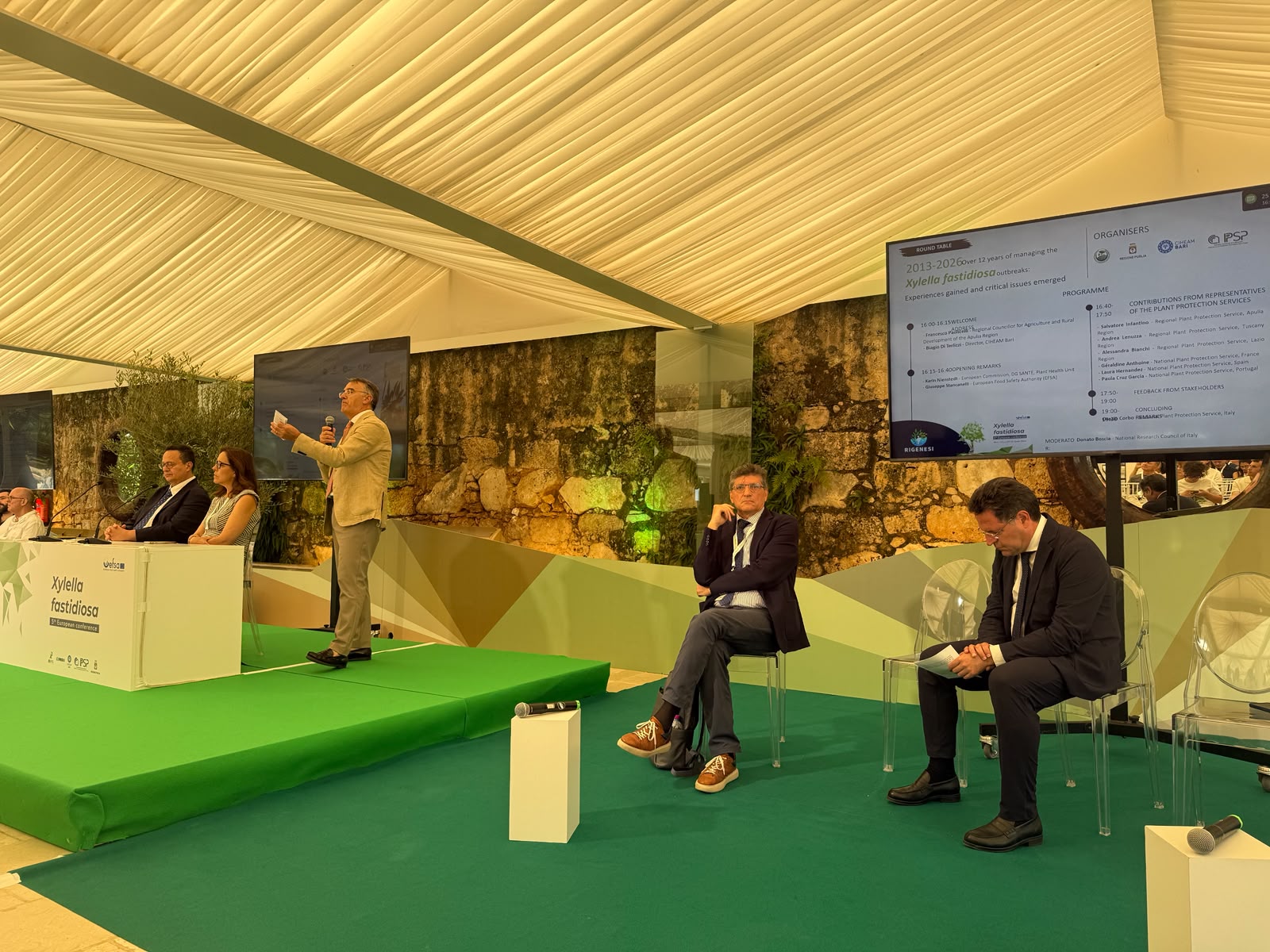
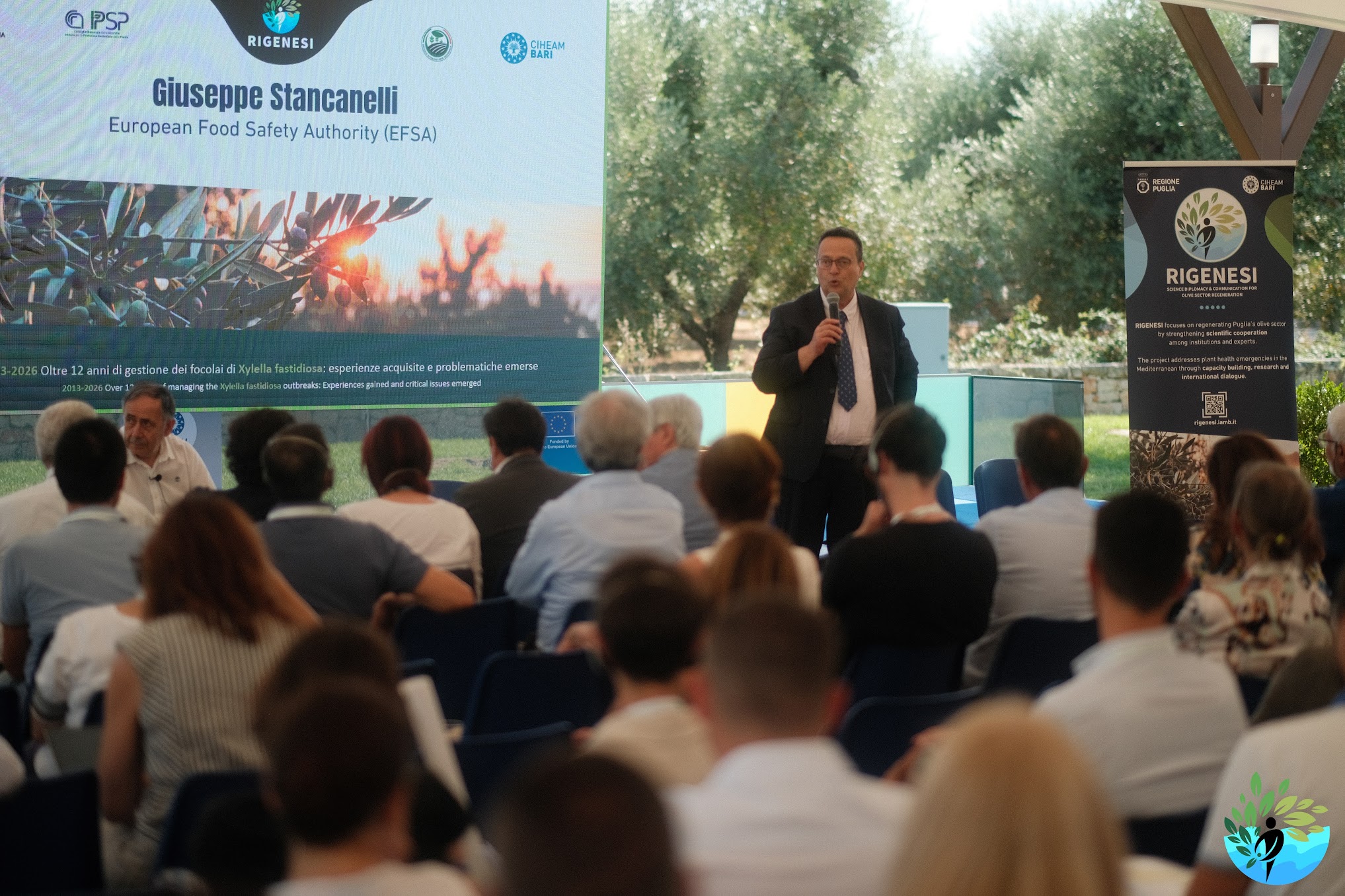
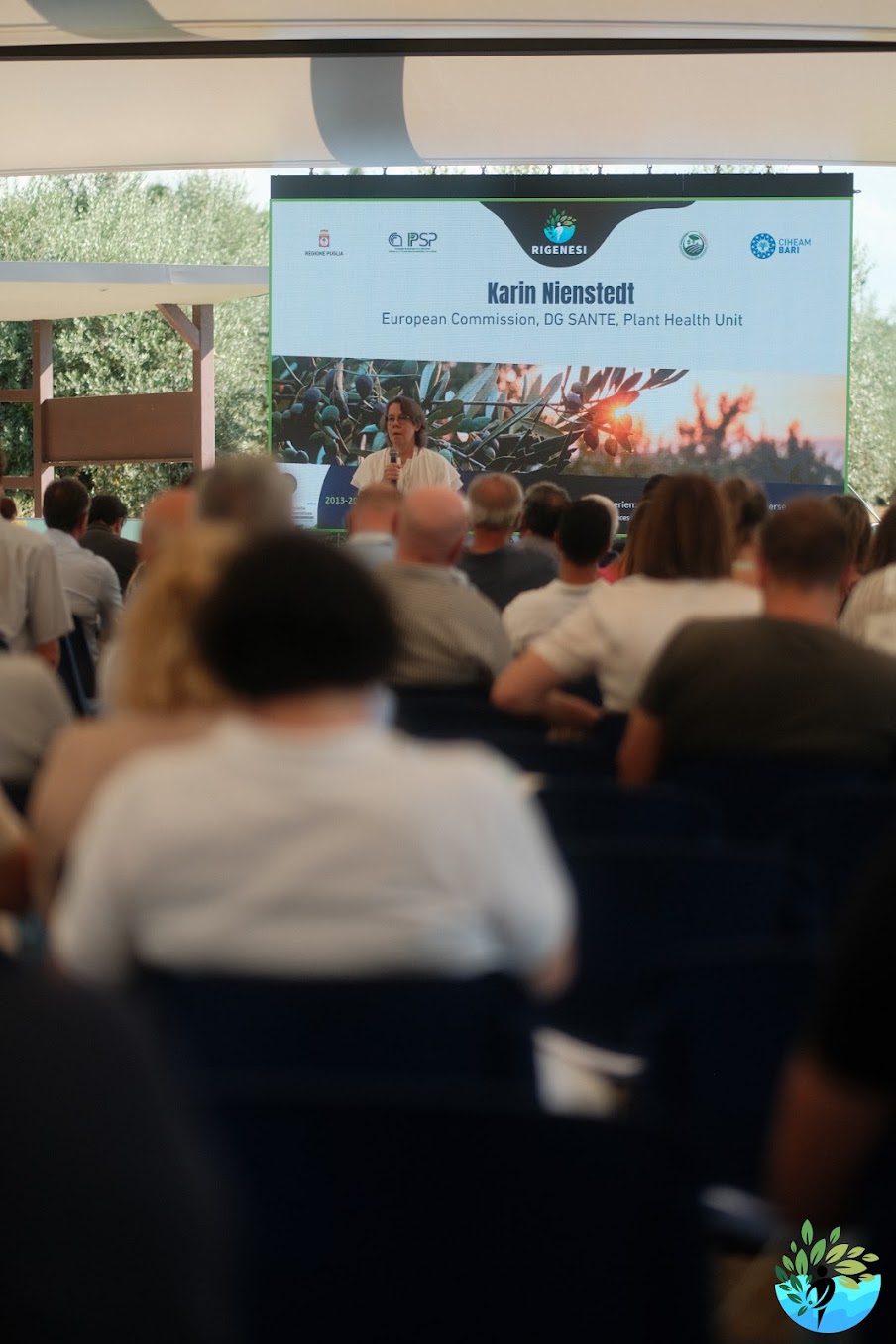
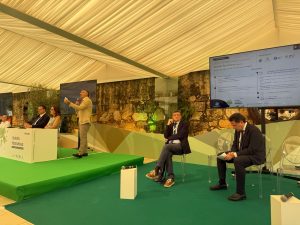
Le lezioni apprese in oltre dodici anni di gestione di Xylella fastidiosa sono state al centro della tavola rotonda promossa dal Servizio Fitosanitario Centrale del MASAF, dall'Osservatorio Fitosanitario della Regione Puglia, dal CIHEAM Bari e dal CNR-IPSP, che ha riunito istituzioni e servizi fitosanitari europei per riflettere sulle future strategie di prevenzione e risposta alle emergenze fitosanitarie.
L’incontro ha riunito rappresentanti della Commissione europea, di EFSA e dei servizi fitosanitari di Italia, Francia, Spagna e Portogallo in un confronto sulle esperienze maturate, sulle criticità affrontate e sulle prospettive future della gestione delle emergenze fitosanitarie.
Dal dibattito è emersa una convinzione condivisa: le future strategie dovranno basarsi sempre più sia sulle evidenze scientifiche che sul patrimonio di conoscenze prodotto dalla sorveglianza del territorio per una corretta valutazione del rischio, rafforzando la cooperazione internazionale e lo scambio continuo di dati, competenze e buone pratiche.
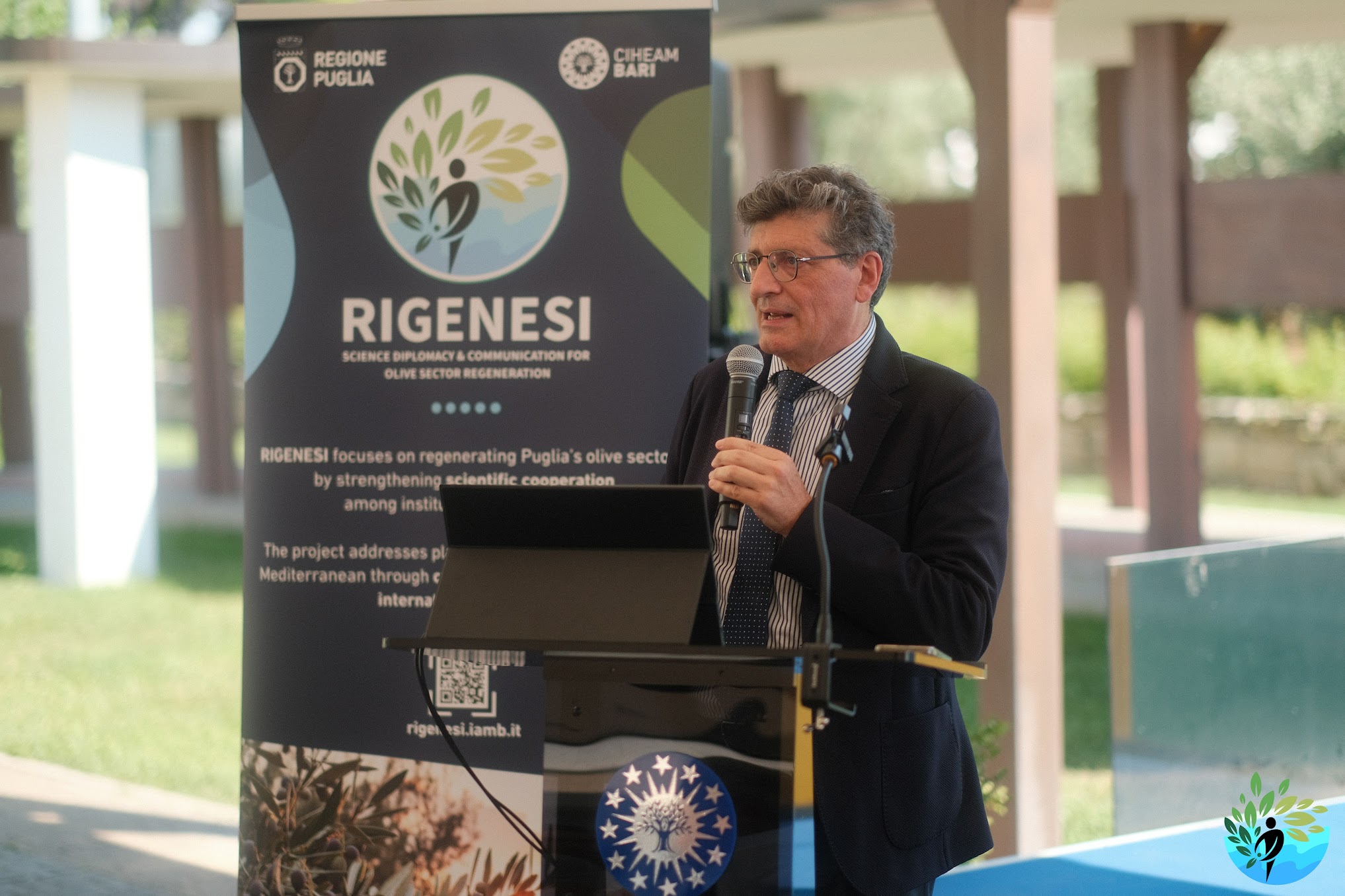
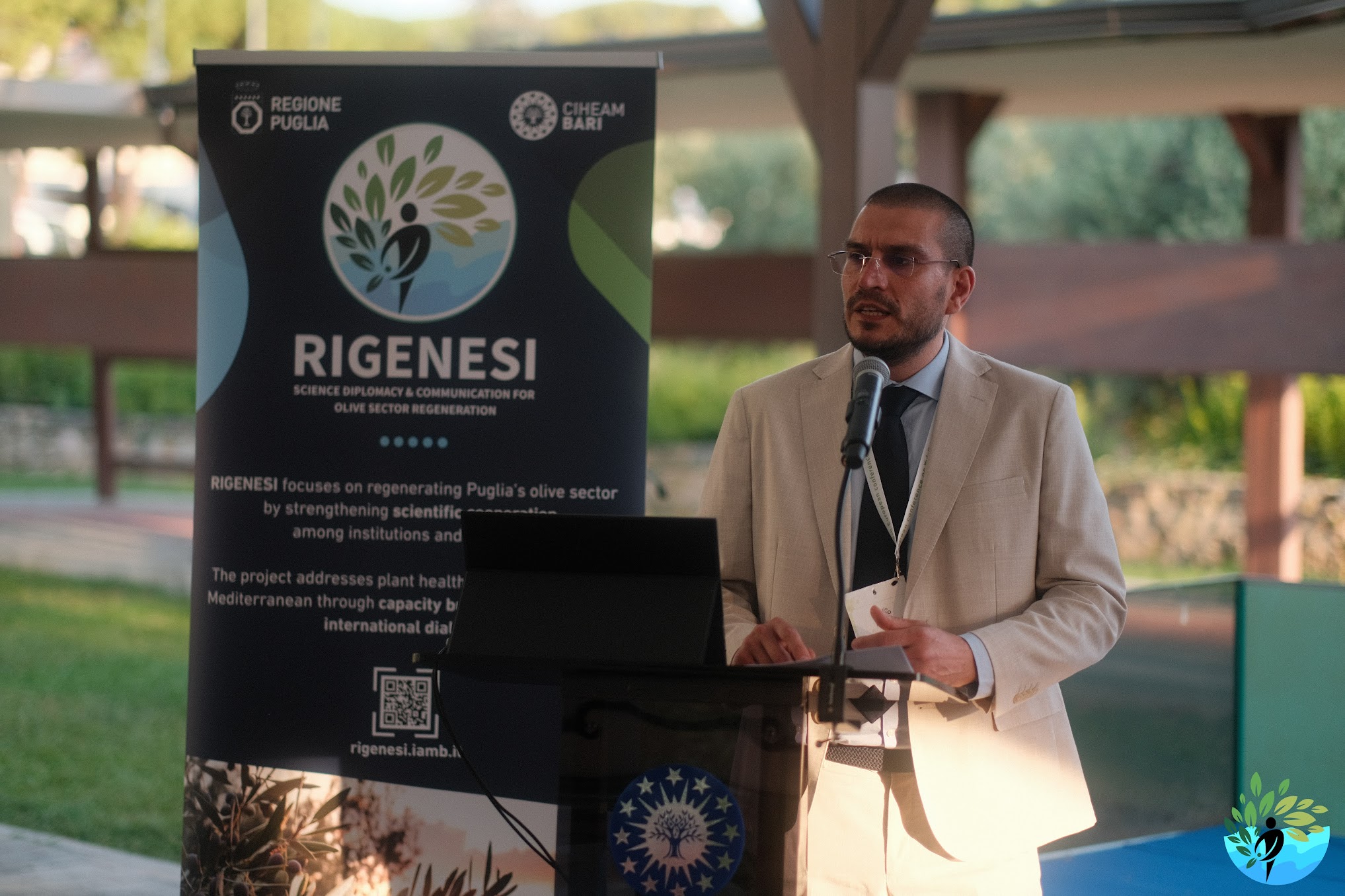
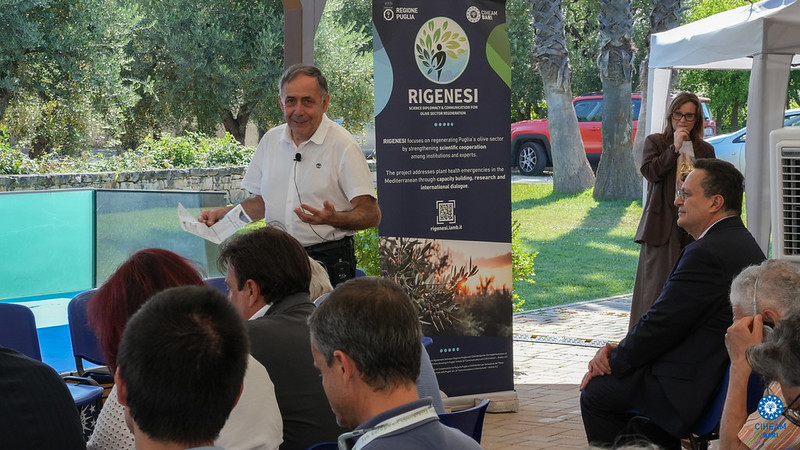
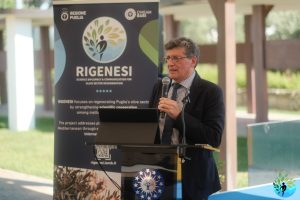
Una visione che trova continuità anche nel progetto RIGENESI nell’ambito del quale si è svolto questa iniziativa. RIGENESI è promosso dall’Osservatorio Fitosanitario della Regione Puglia e realizzato insieme al CIHEAM Bari, con l’obiettivo di trasferire l’esperienza maturata in Puglia ai Paesi del Mediterraneo e costruire una rete permanente di collaborazione tra servizi fitosanitari, istituzioni e comunità scientifica.
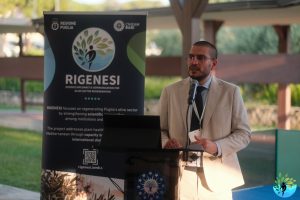
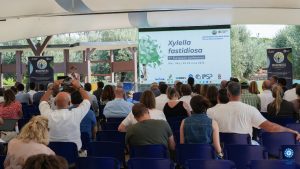
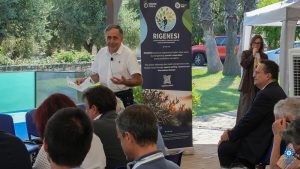
La Conferenza EFSA ha confermato che la ricerca produce il massimo valore quando diventa patrimonio condiviso tra istituzioni, comunità scientifica e servizi fitosanitari. È su questa integrazione che il Sistema Puglia continua a costruire la propria capacità di prevenire, comprendere e affrontare le emergenze fitosanitarie, con il CIHEAM Bari protagonista nella produzione di conoscenza, nel trasferimento dell'innovazione e nella cooperazione internazionale.